Session Meetings of the First International Scientific and Practical Conference “Current Issues in Engineering and Applied Sciences” (ICCPEAS 2025) Held at UNEC
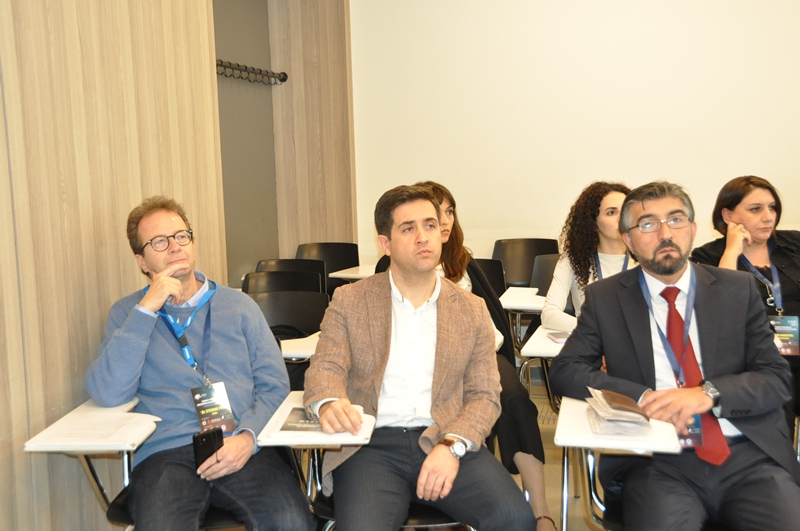

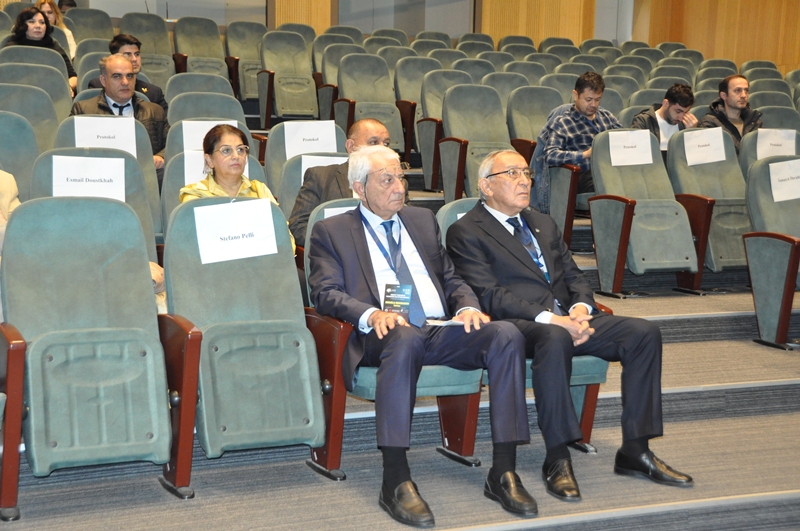

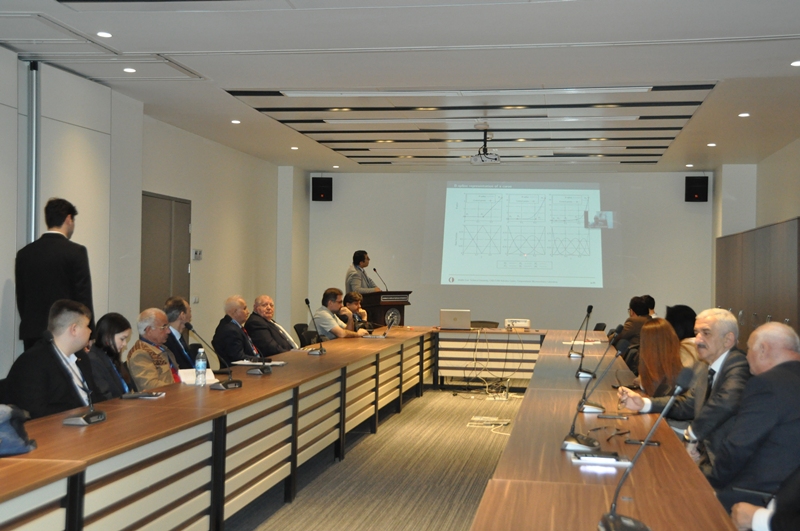
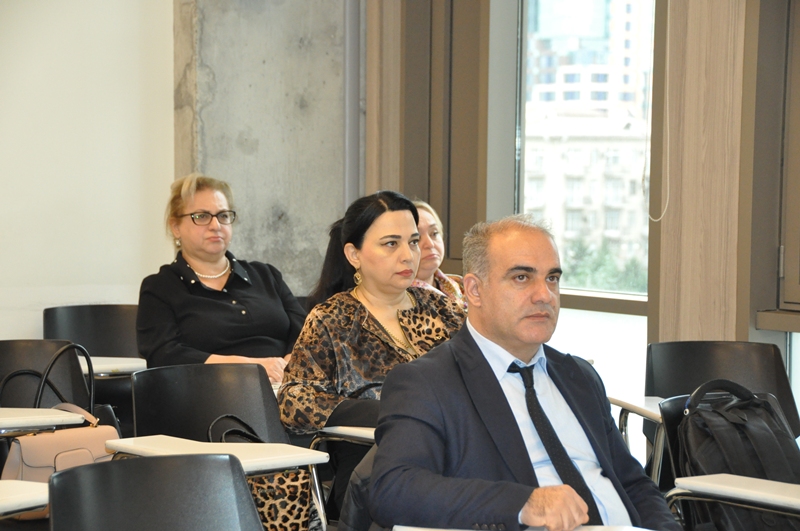
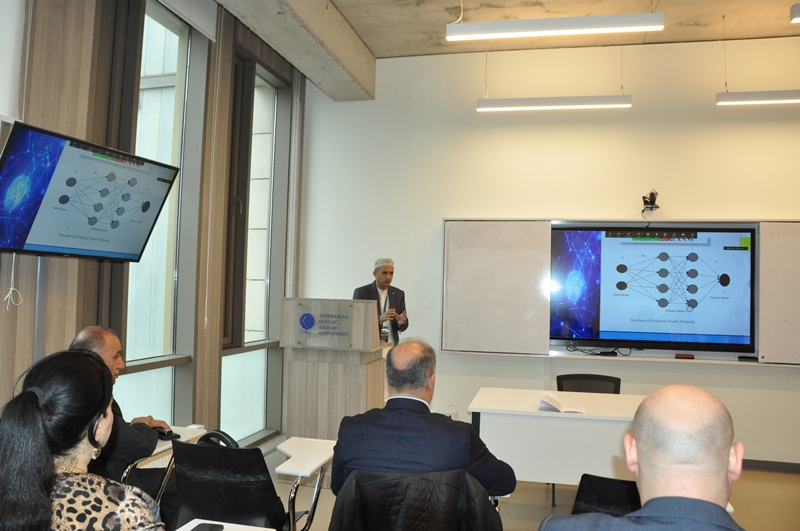
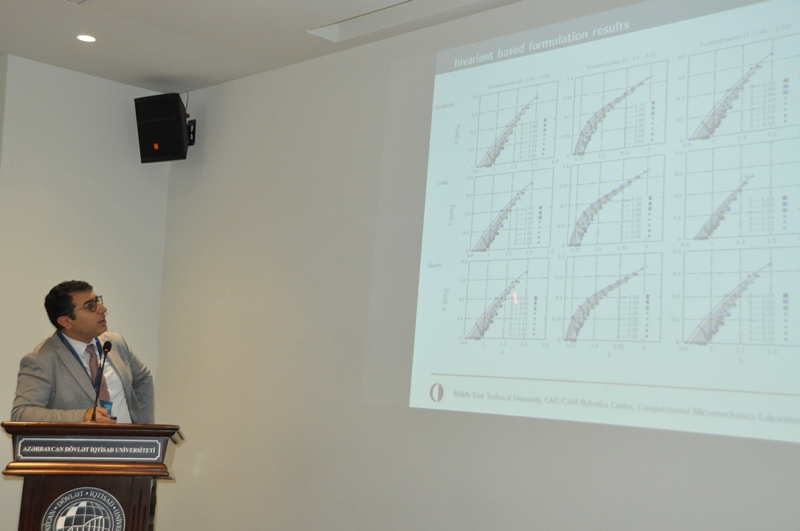
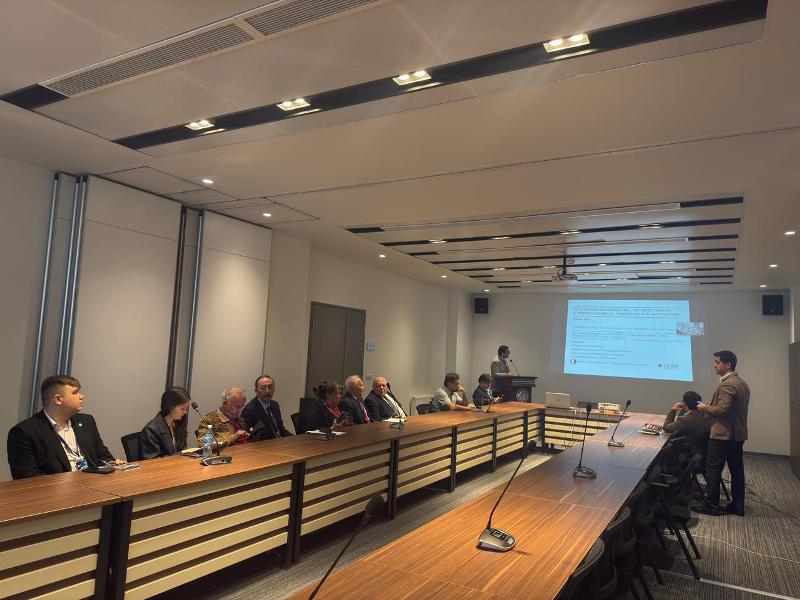
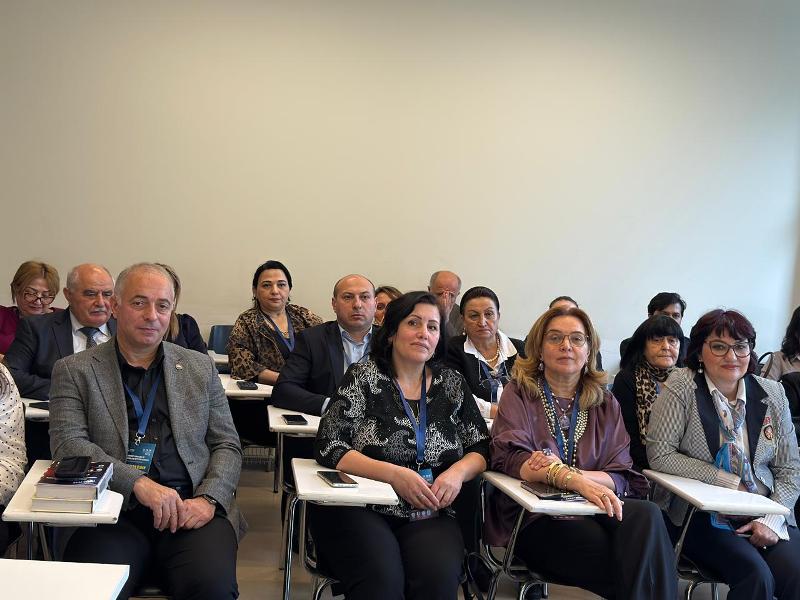
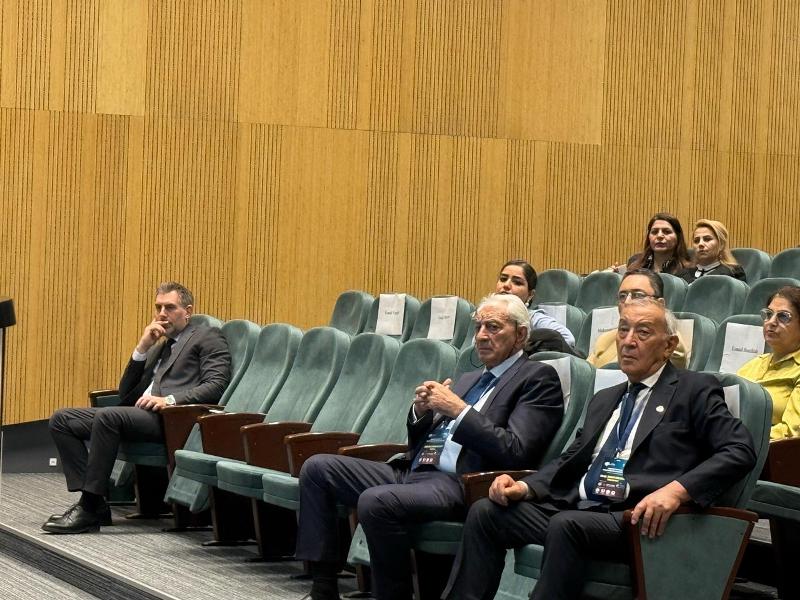
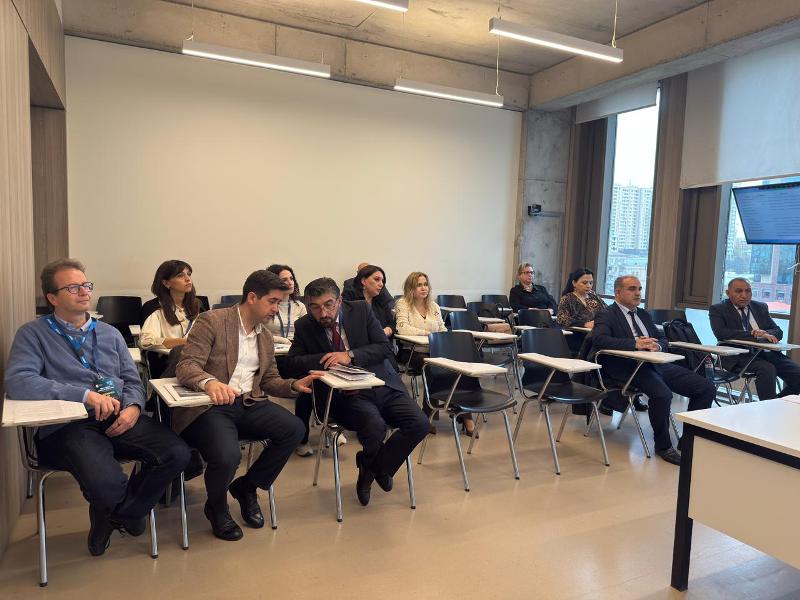
The First International Scientific and Practical Conference entitled “Current Issues in Engineering and Applied Sciences” (ICCPEAS 2025), hosted by the Azerbaijan State University of Economics (UNEC), continued its proceedings with panel discussions and thematic session meetings.
Over a two-day period, the conference convened leading scholars from across the world in critical fields such as materials science, environmental engineering, mechanics, electronics and food engineering. The discussions primarily focused on issues of sustainable development, digital transformation and the advancement of renewable energy technologies.
The opening panel featured presentations by distinguished researchers, including Professor Dirk Poelman of Ghent University, who addressed the future applications of luminescent materials; Professor Kadir Gulamov of the Uzbekistan Academy of Sciences, who examined strategies for transitioning to a green economy in Central Asia; and Dr. Stefano Pelli of the National Research Council of Italy (CNR), who provided an overview of the key principles underlying WGM optical microresonators in applied physics.
Following the plenary session, more than one hundred papers were delivered within six parallel thematic sessions.
These sessions brought together advanced research in areas such as the synthesis of novel materials for solar energy applications, the modeling of energy flexibility, the use of artificial intelligence in monitoring the Caspian Sea and the development of green hydrogen technologies. Additional presentations examined the analysis of regional wheat and grape varieties, green approaches to nanoparticle synthesis and emerging innovations in computer engineering, including AI-based methods for predicting smart grid stability and the development of wearable biosensing devices.
The sessions dedicated to mechanics and industrial engineering reviewed applied solutions for the oil and gas industry, including the implementation of viscoelastic compositions and stress analysis in pipeline systems, as well as optimization processes in semiconductor manufacturing. Concurrent presentations highlighted advances in nanotechnology, including nanocomposites and solid lipid nanoparticles, and recent developments in biotechnology, particularly the use of Trichoderma spp. strains for antiviral applications.
The initial phase of the conference established a significant platform for bridging fundamental scientific research with industrial practice, offering participants valuable insights and fostering enhanced preparedness for emerging global technological challenges.