The 3rd Education Managers Forum Held at UNEC
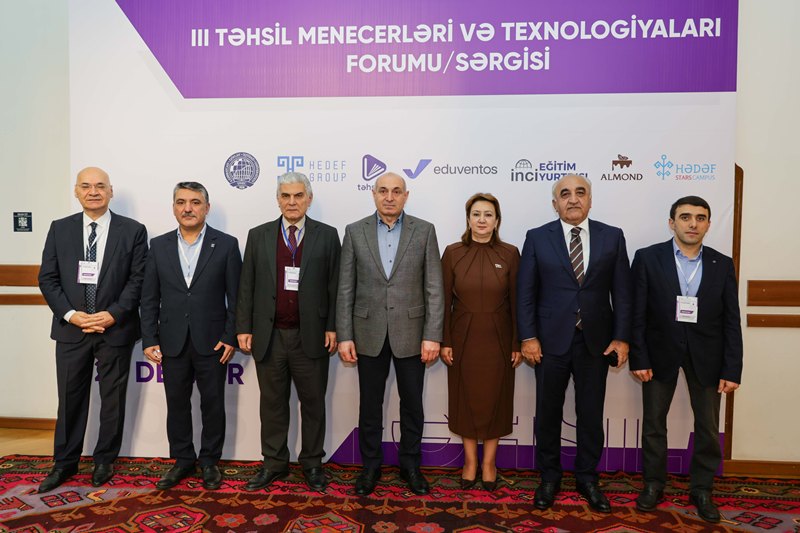
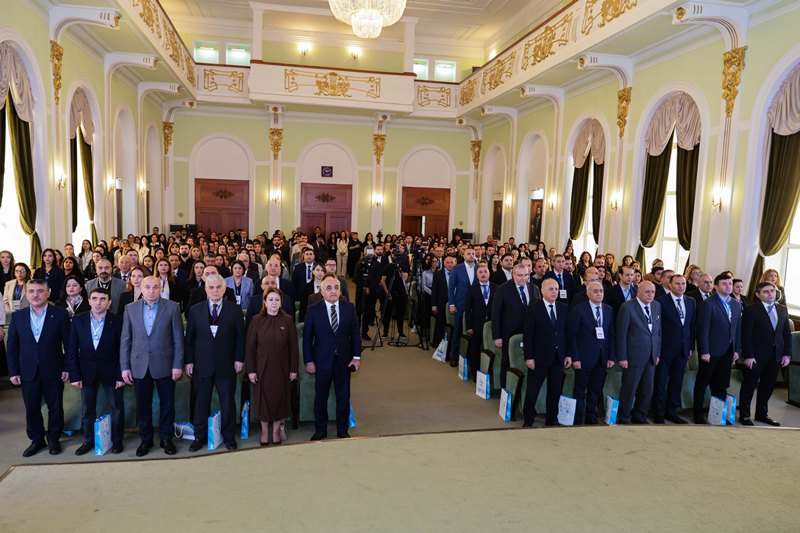
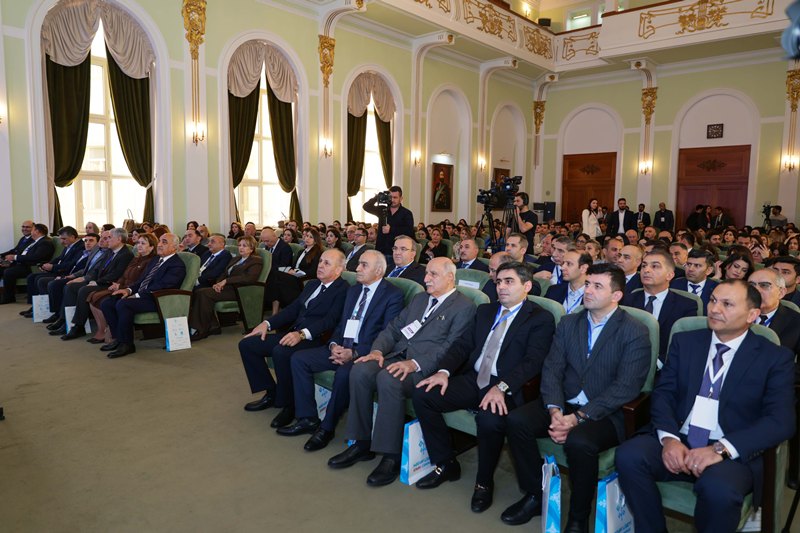
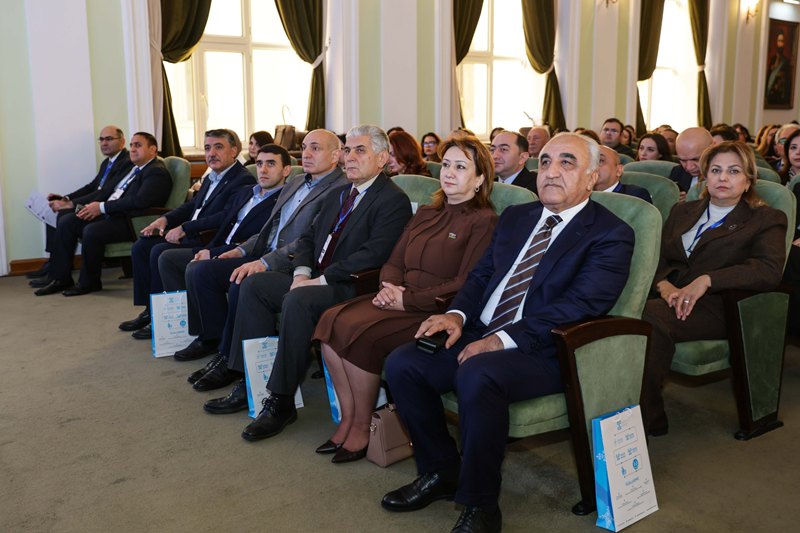
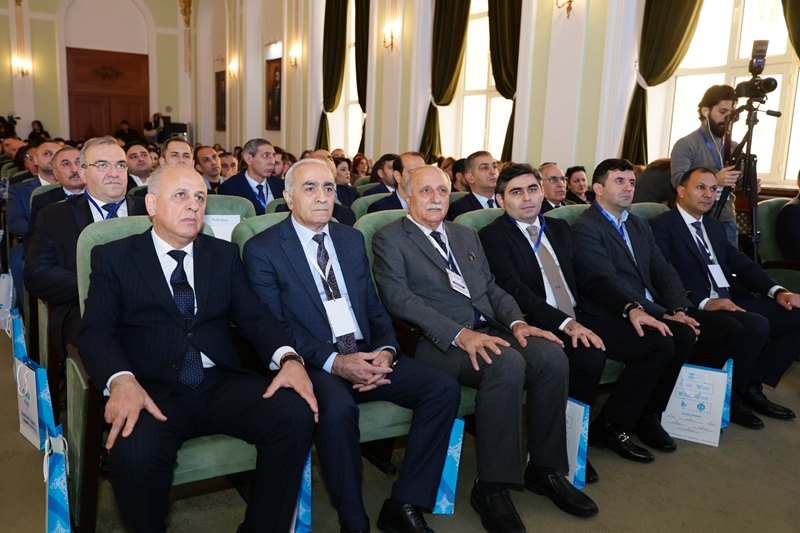
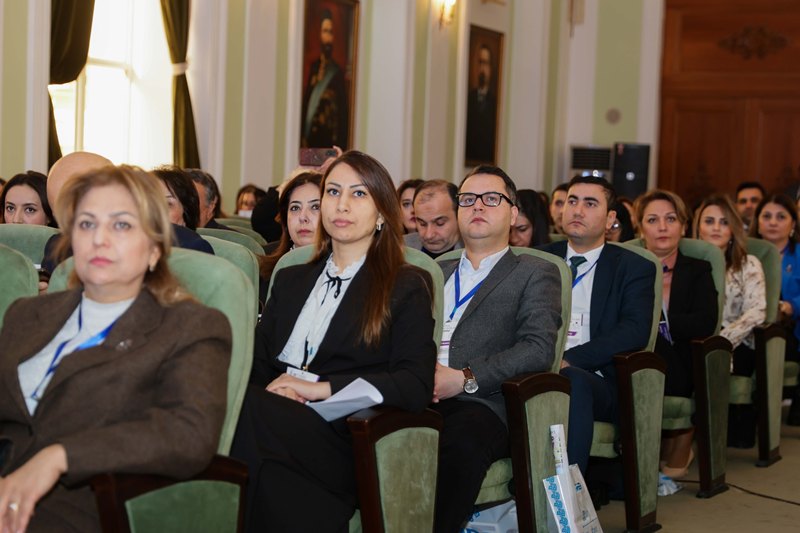
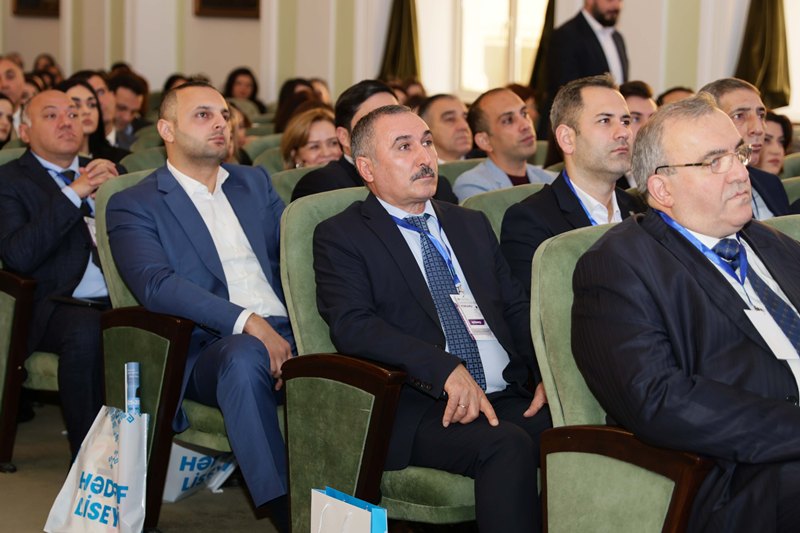
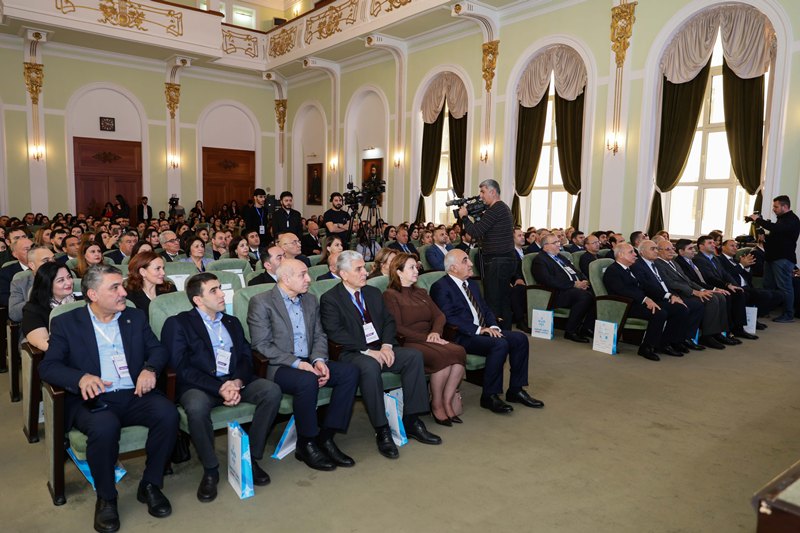
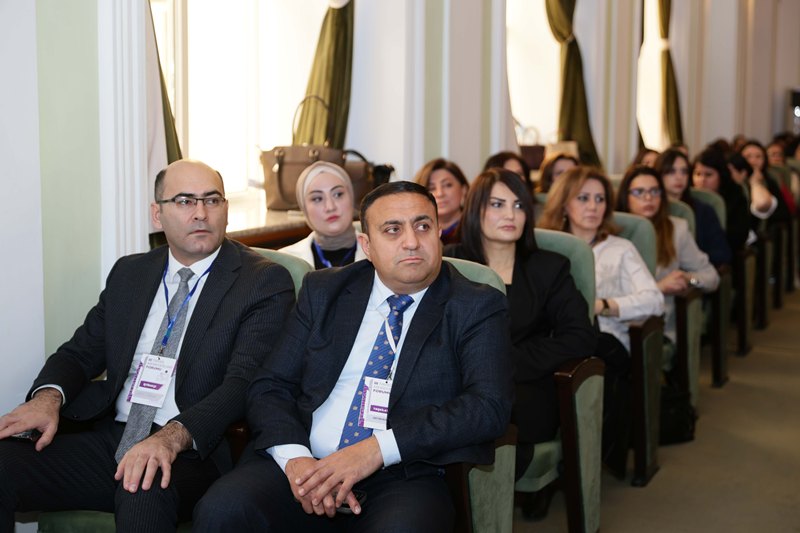
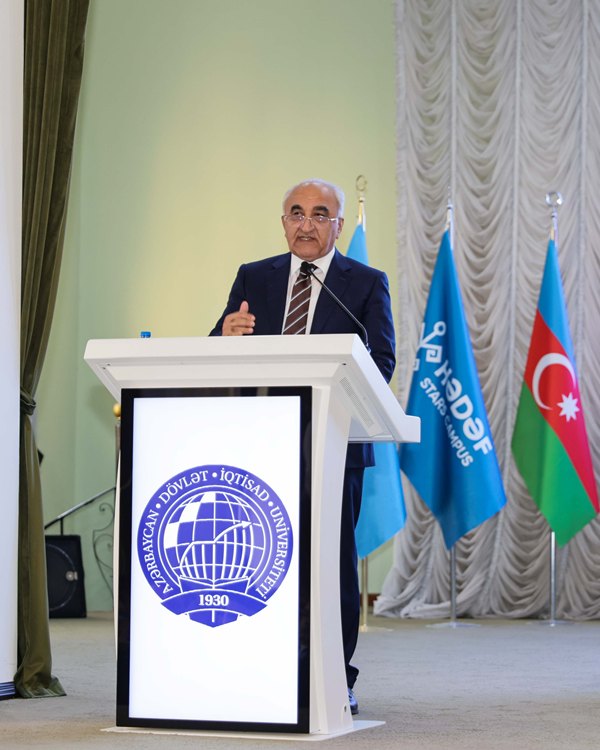
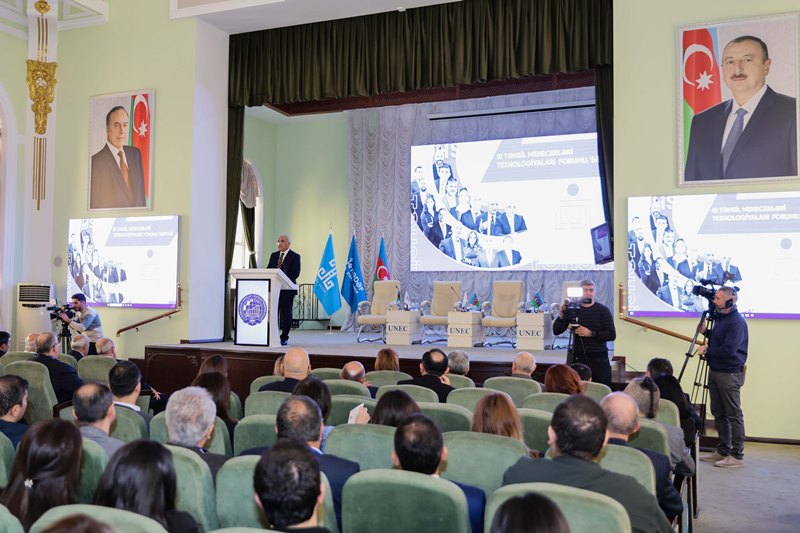
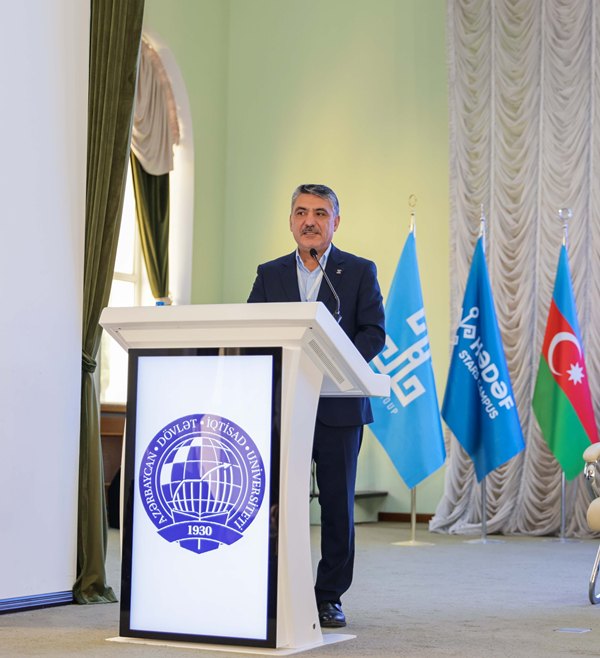
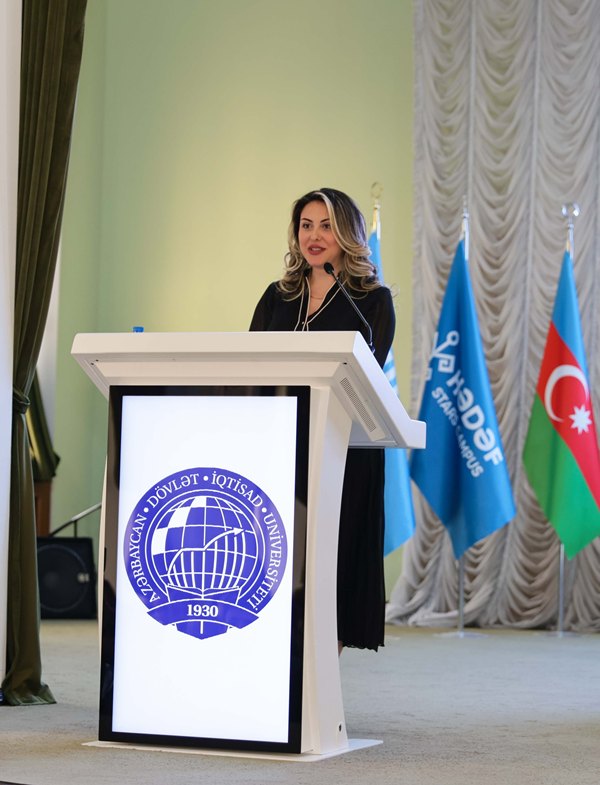
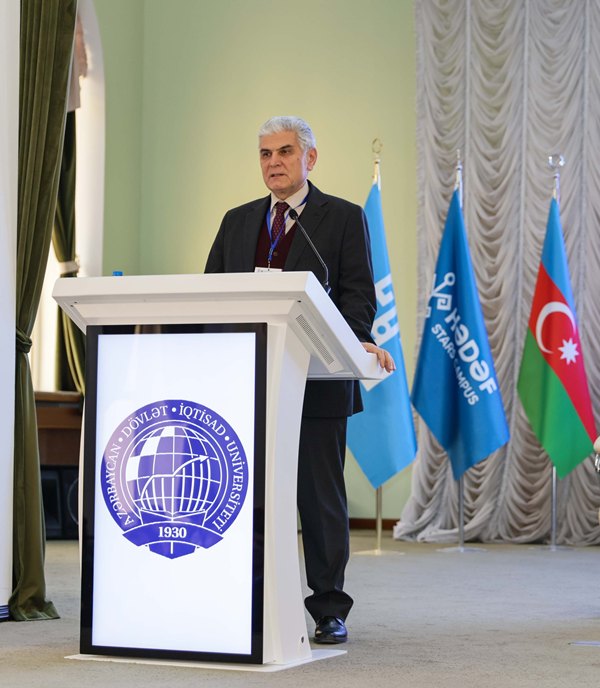
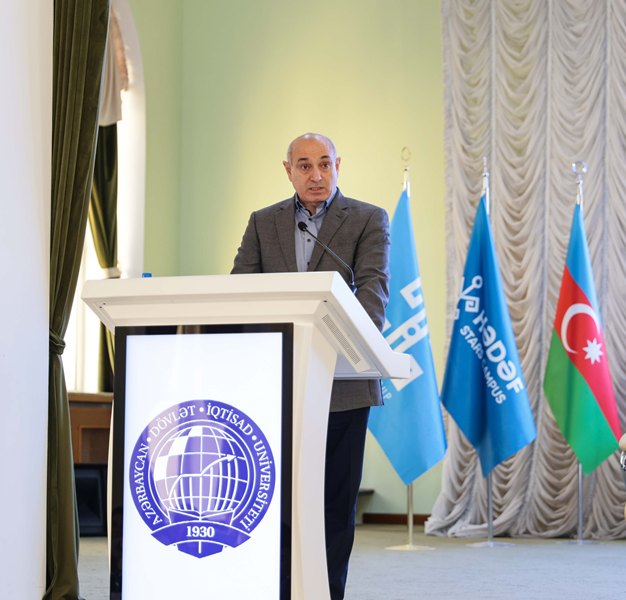
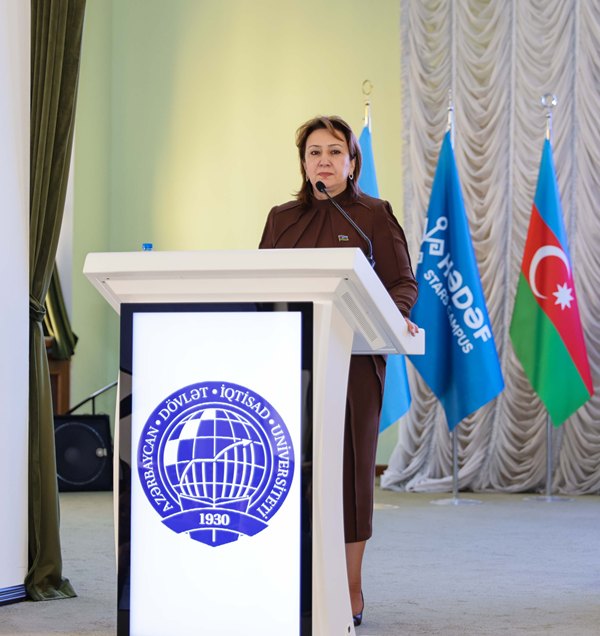
On December 20, the 3rd Education Managers Forum was held in Baku, jointly organized by the Azerbaijan State University of Economics (UNEC) and the Hadaf Companies Group.
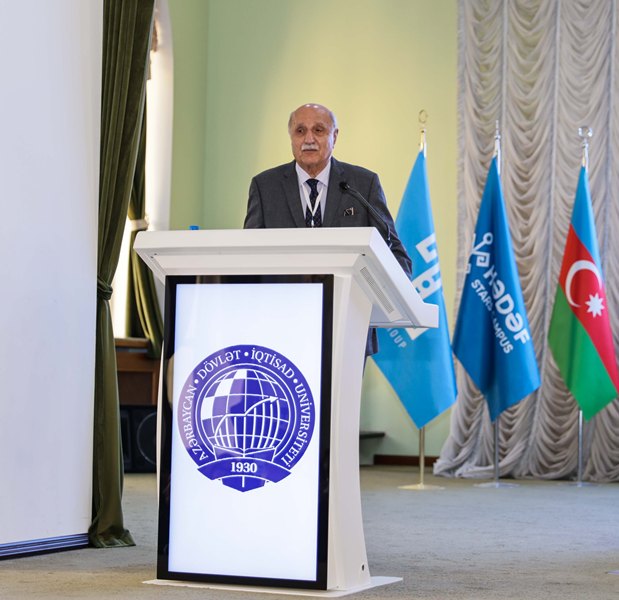
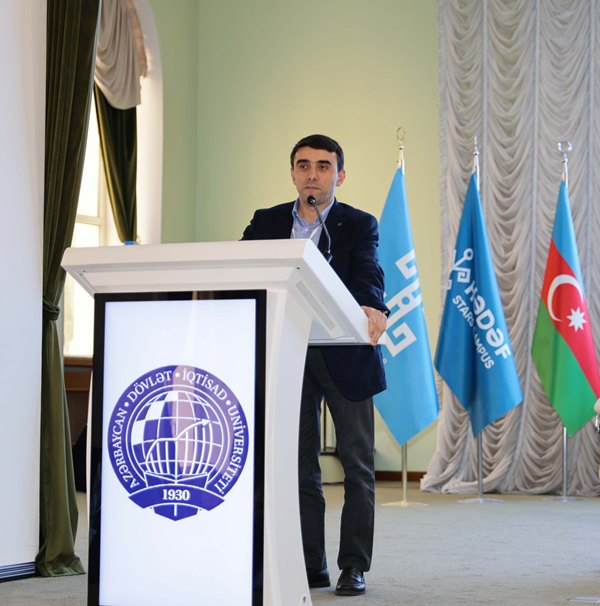
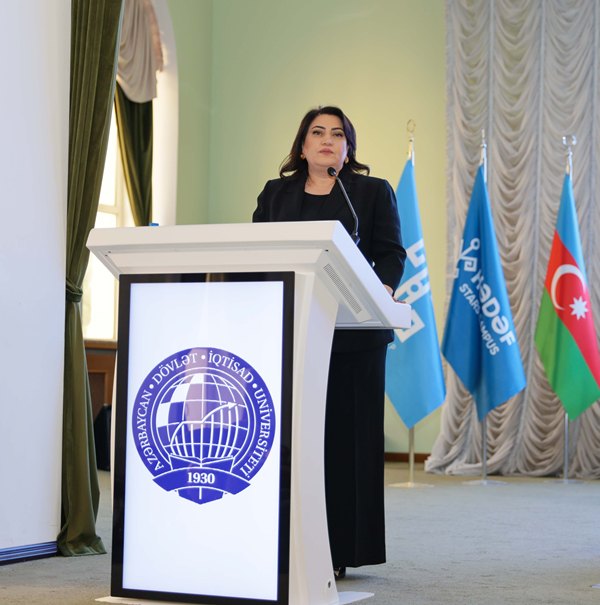
Speaking at the opening ceremony, UNEC Rector Professor Adalat Muradov, Founder Director of the Hadaf Companies Group and Project Head of the Forum Shamil Sadig, Rector of Azerbaijan State Pedagogical University Jafar Jafarov, Head of the Academy of the State Customs Committee Gulu Novruzov, and Member of the Milli Majlis Mehriban Valiyeva emphasized that education managers forums, which have gained continuity and strong public attention, represent a landmark event in the country’s academic and educational landscape.
It was highlighted that the forum, which prioritizes innovation, digitalization, and effective governance models in education, serves as an important platform bringing together education leaders and presenting insights from local and international experts on the most pressing trends and innovative approaches. Discussing the challenges and prospects of the education sector—an area requiring continuous reform—within such forums plays a crucial role in shaping clear development roadmaps.
Participants noted that digitalization and the application of artificial intelligence in education have become an undeniable reality. Technology is no longer merely a supportive tool but constitutes the core of the modern education model. In today’s technological era, education is no longer measured by physical space but by intellectual capacity, with expanding opportunities to create integrated, technology-rich learning environments.
It was also stated that the Third Education Managers Forum, held within the framework of the “Year of the Constitution and Sovereignty” declared in Azerbaijan, brought together a total of 14 local and international speakers and hundreds of participants. The forum aimed to address the challenges of modern education management, discuss innovative governance practices in schools and higher education institutions, and explore pathways toward sustainable development in education. Education management today is no longer limited to administrative functions; it has evolved into a field of strategic leadership that shapes human capital, builds high-quality educational ecosystems, and contributes to long-term national development strategies. In this regard, platforms such as the Education Managers Forum hold particular importance in providing collective responses to contemporary challenges.
Speaking at the forum, Shamil Sadig, the author and project leader of the initiative, noted that ongoing education reforms and the adoption of modern values in education require both public and private sector education professionals to keep pace with these changes. He emphasized that building and managing an effective education system begins with professional education managers. While pedagogical and methodological efforts are underway, he acknowledged that both theoretical and practical work in education management remains insufficient. According to him, a good education manager is synonymous with a good school, and the demands of modern management differ significantly from traditional approaches. The forum was therefore designed to provide a platform to directly learn from the experiences, theories, and concepts of leading education managers actively involved in school development.
Held under the slogan “Let Us Shape the Education Model of the Future Together,” the forum featured presentations by distinguished speakers, including Honored Teacher and Professor at the Amonashvili Academy of Humanistic Pedagogy Asif Jahangirov on “New Approaches to Educating Generation Alpha,” Acting Director of the Azerbaijan Education Institute Elnur Aliyev on “The Impact of Assessment Results on Real Teaching Changes and the Role of School Leaders,” Head of Human Resources at TheClub LLC (PASHA Group) Arzu Musayeva on “The Application of Technology in HR and Its Impact on Education Managers,” and Executive Director of the Modern Education Complex Tural Abbasov on “Modern School Management: Innovative Approaches and Technology Integration in Education.”
Within the framework of the forum, panel discussions were held on topics such as “Effective Education Management: Challenges and Opportunities of Modern School Leadership,” “Financial Sustainability in Education and Effective Budget Management,” and “Artificial Intelligence in Education: Opportunities and Future Perspectives.” Panelists engaged in extensive discussions on existing problems in education and proposed practical solutions.
Special appreciation was expressed to the Hadaf Companies Group, the main organizer of the Education Managers Forum. It was noted that the group has been operating for 15 years and has established itself as a national education brand, encompassing STEAM lyceums, kindergartens, preparatory centers, publishing houses specializing in academic, literary, and children’s publications, technology and consulting companies, as well as career development and creativity centers.
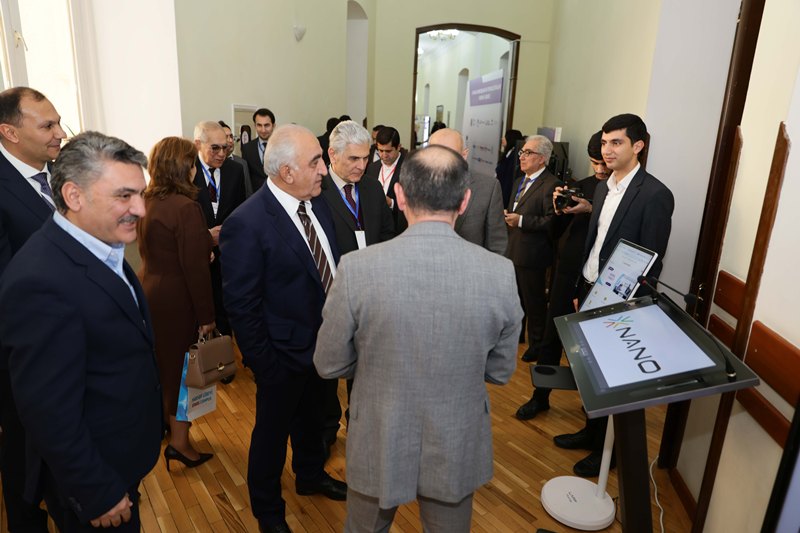
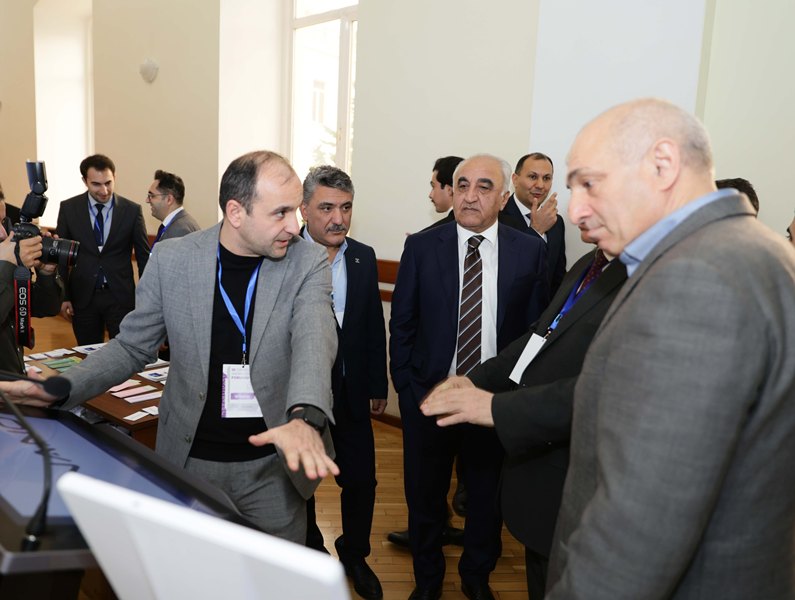
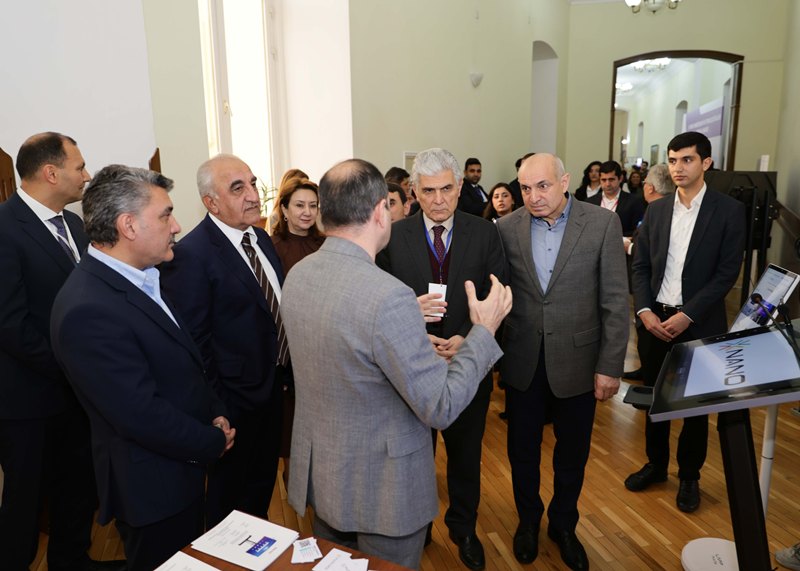
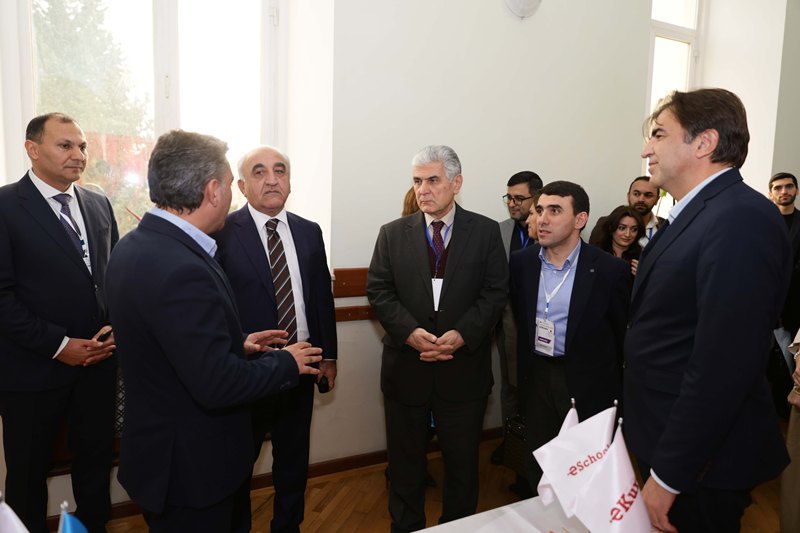
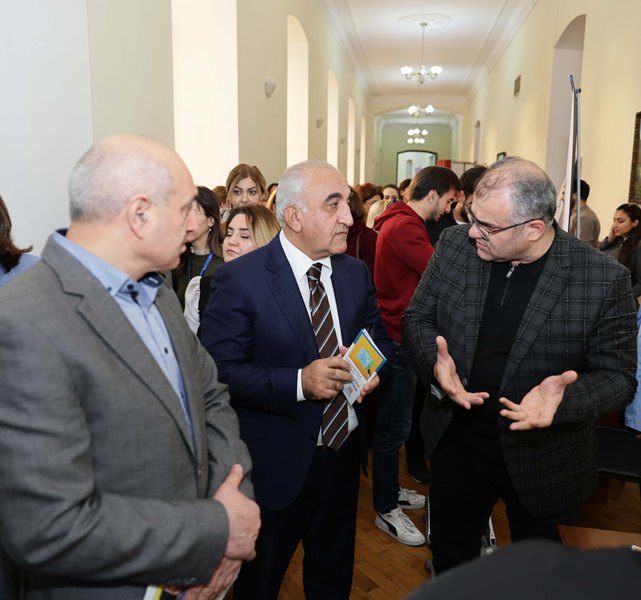
As part of the forum, an Education Technologies Exhibition was also organized, providing education professionals with the opportunity to explore, experience, and familiarize themselves with the latest technological innovations. The exhibition showcased next-generation interactive teaching technologies, digital education and LMS platforms, ICT-based management and monitoring systems, innovative programs and applications for schools, robotics, STEAM and VR/AR learning environments, smart devices, and measurable learning tools. Opened under the slogan “Discover the Future of Education,” the exhibition was highly valued as a platform for education leaders to engage with technology, select modern solutions, and establish new partnerships.
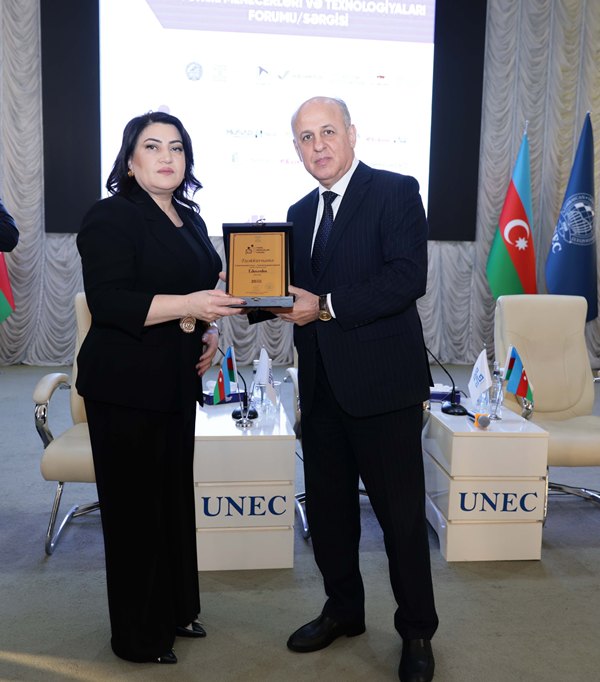
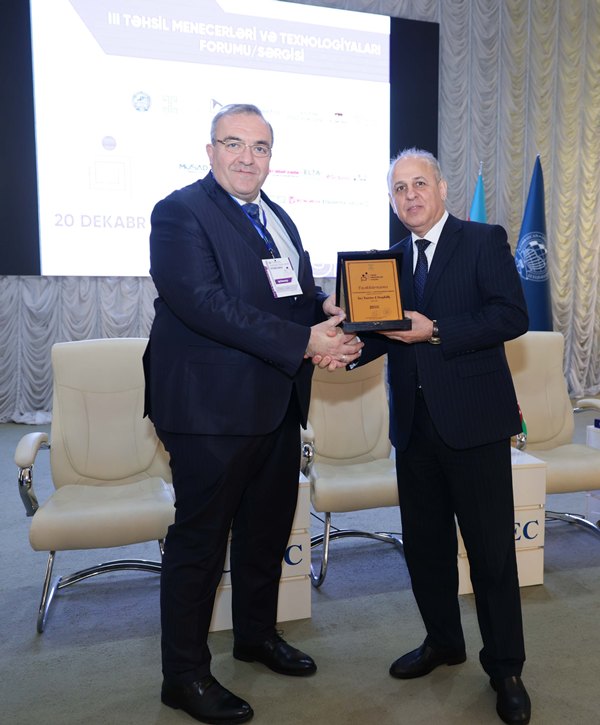
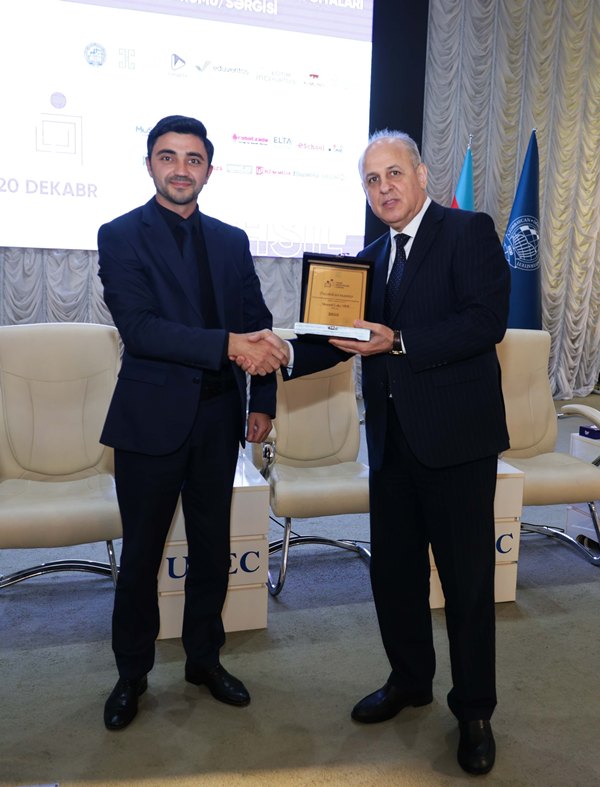
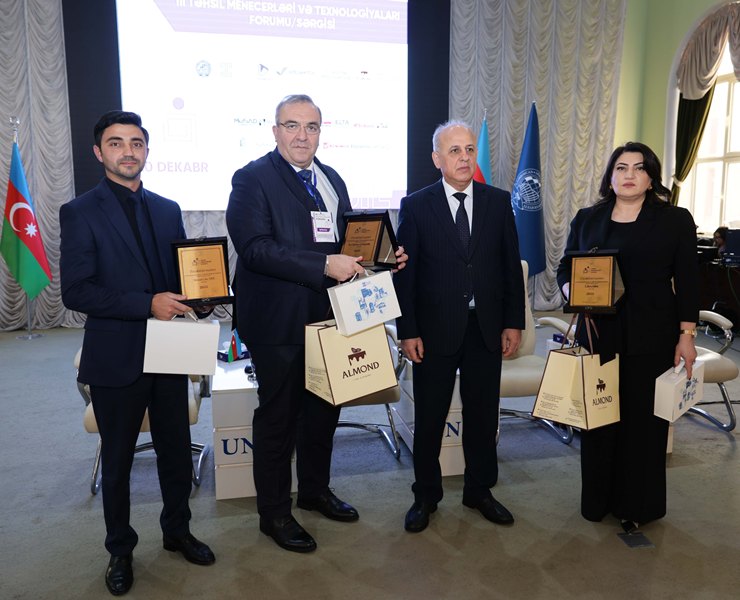
The forum concluded with a closing speech by the Project Executor, Associate Professor and Doctor of Philosophy in History Elvin Aliyev. Gifts from sponsors were presented to the speakers and participants, followed by a commemorative group photo.