UNEC Research Faculty Member Undertakes Scientific Fellowship in Germany
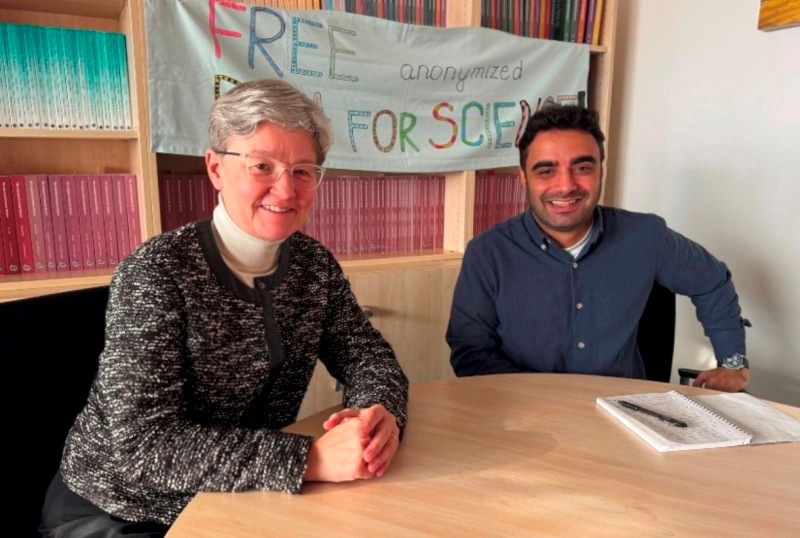
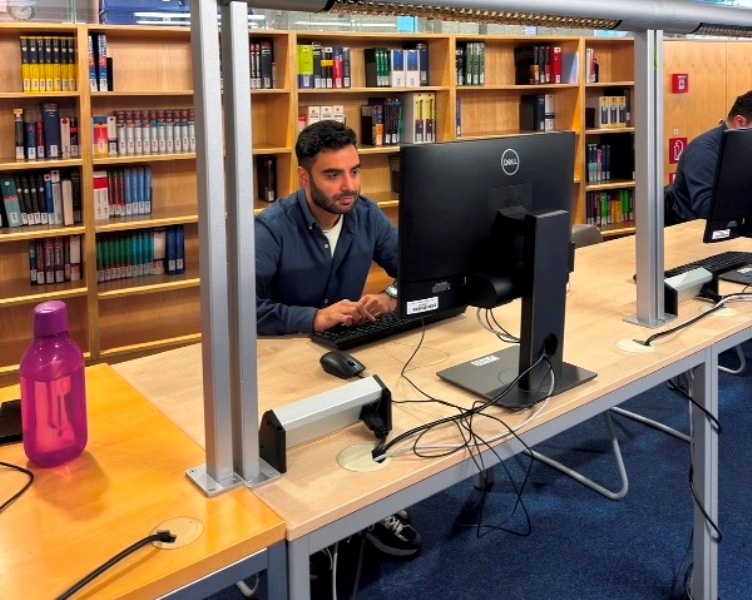


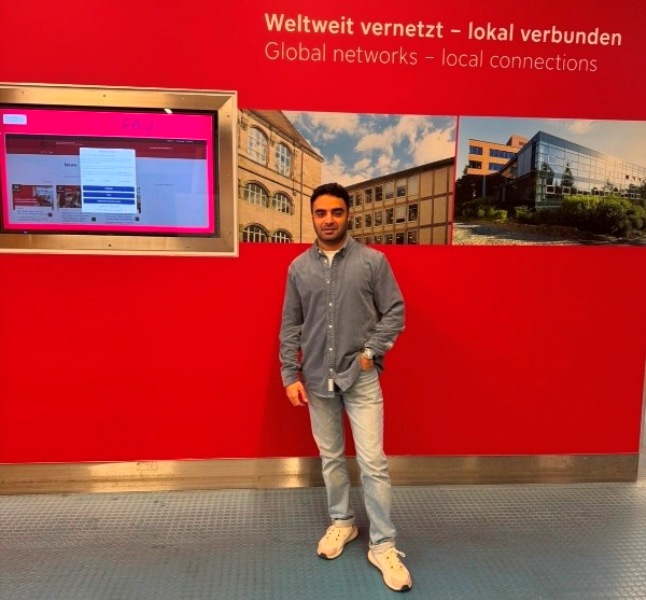


UNEC research faculty member, PhD in Economics Hasraddin Guliyev, completed a three-week scientific fellowship at Friedrich-Alexander University in the Federal Republic of Germany, one of the country’s leading higher education institutions.
The main objective of the fellowship was to familiarize UNEC scholars with cutting-edge research conducted within Europe’s advanced academic environment, to study contemporary scientific literature and methodological approaches, and to further deepen existing academic collaborations. Within the framework of the visit, Hasraddin Guliyev became acquainted with the scientific activities carried out under the Business School and the Economy and Society unit of Friedrich-Alexander University. He gained in-depth insights into innovative methodological approaches applied in research on the circular economy and the economic impacts of artificial intelligence. During the fellowship, joint work was conducted with Prof. Dr. Mario Liebensteiner on a database developed in Germany for measuring carbon emissions, and the carbon tax mechanisms implemented in Europe to reduce emissions were examined in detail. In addition, discussions were held with Prof. Dr. Regina T. Riphahn and Dr. Erwin Winkler on the adaptation of artificial intelligence in the labor market. These discussions focused on potential indicators and evaluation metrics that can be used to measure the transition to artificial intelligence. One of the most significant outcomes of the academic visit was the achievement of mutual agreements between UNEC and Friedrich-Alexander University on the preparation of joint scientific research. At the initial stage, a collaborative research article examining the impact of artificial intelligence on unemployment rates is planned for publication in a high-ranking international academic journal in 2026. The agreements also envisage the organization of joint seminars, the expansion of researcher exchange opportunities, and the systematic continuation of cooperation on joint research projects in the future.