Innovative educational practices to be implemented at UNEC
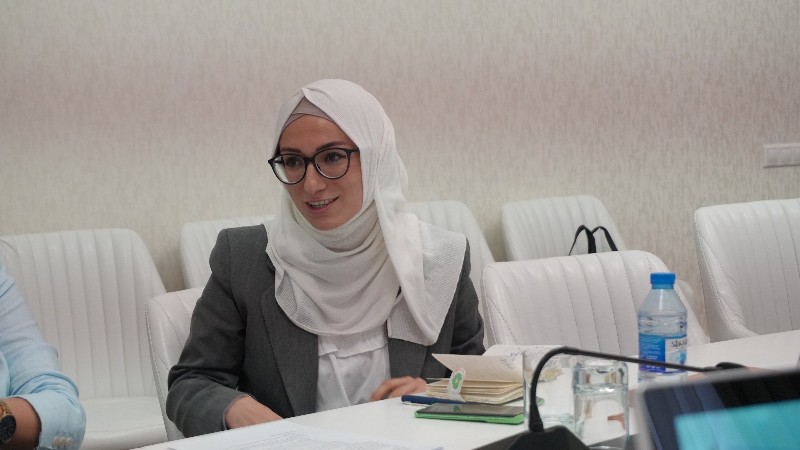
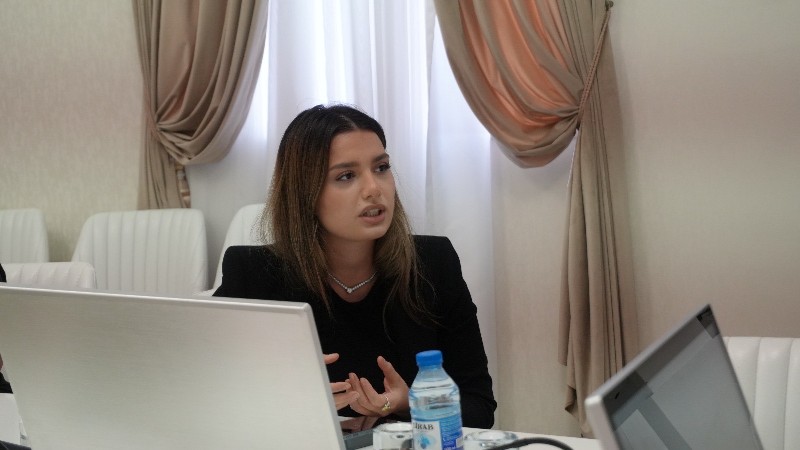
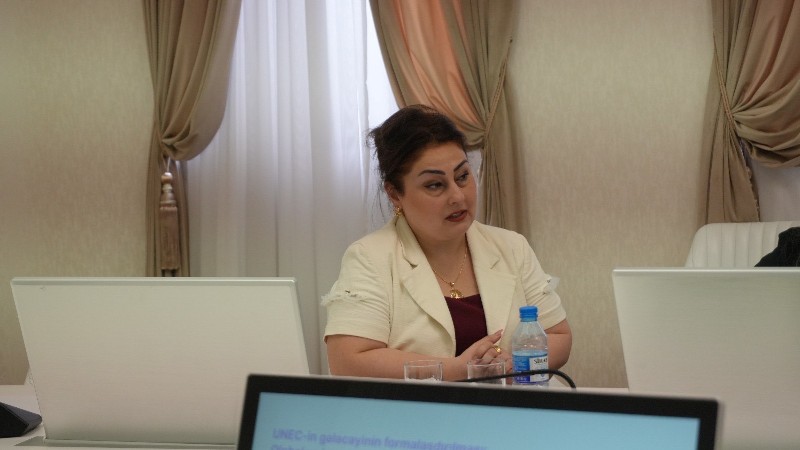
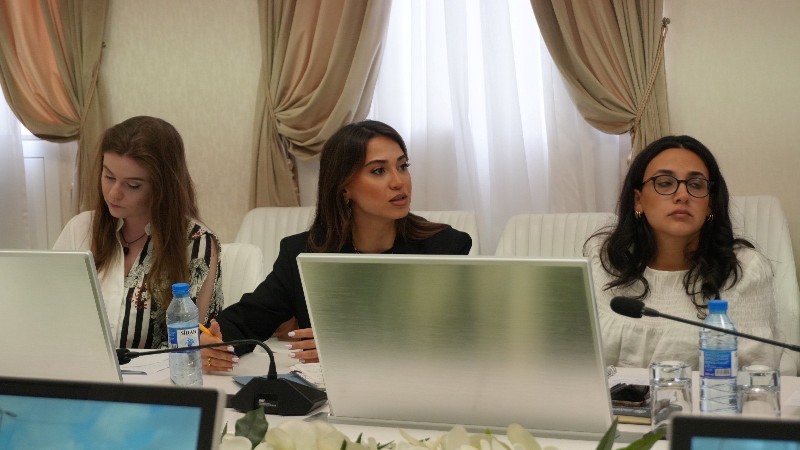
Between August 28 and September 9, faculty members of UNEC participated in advanced professional development programs at De Montfort University (United Kingdom) and Middle East Technical University (Turkiye).
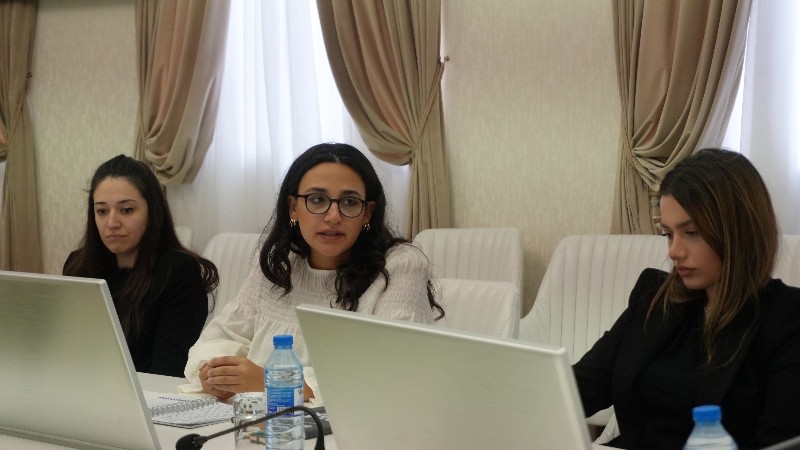
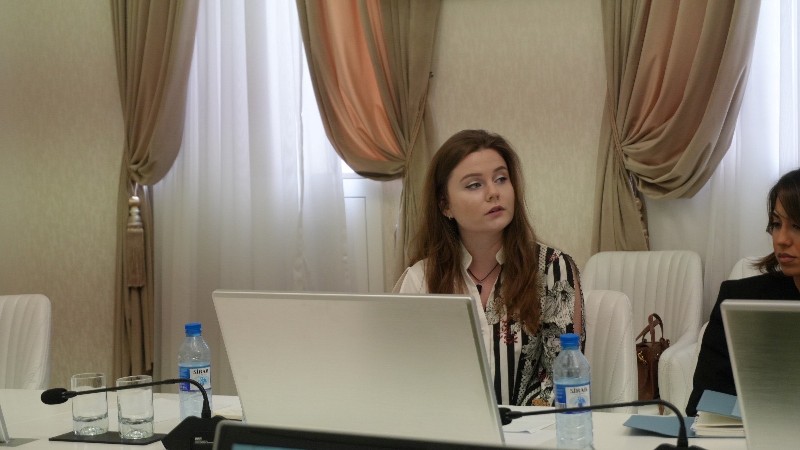
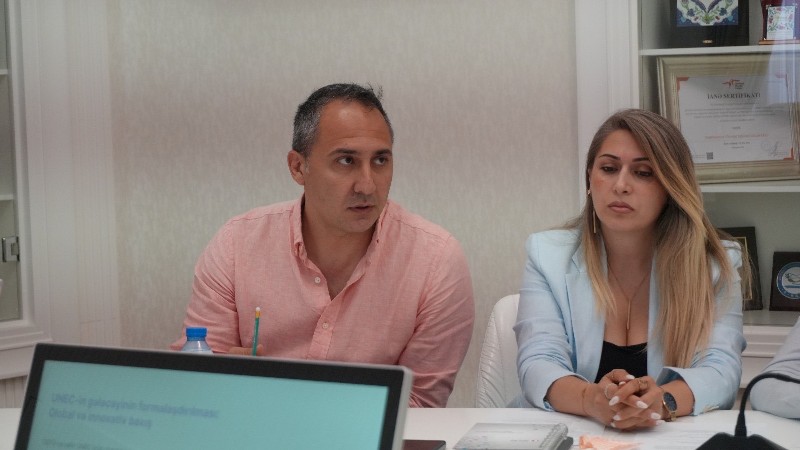
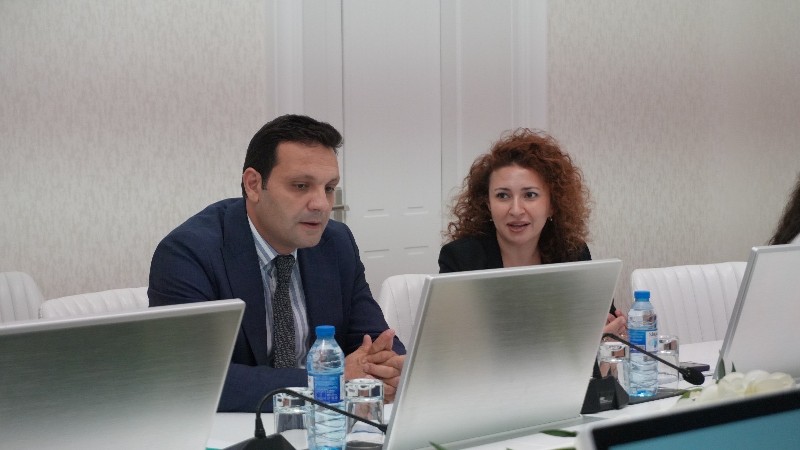
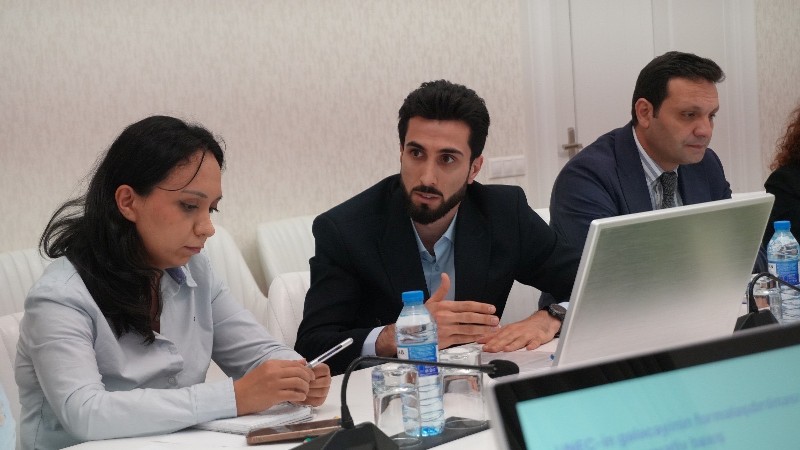
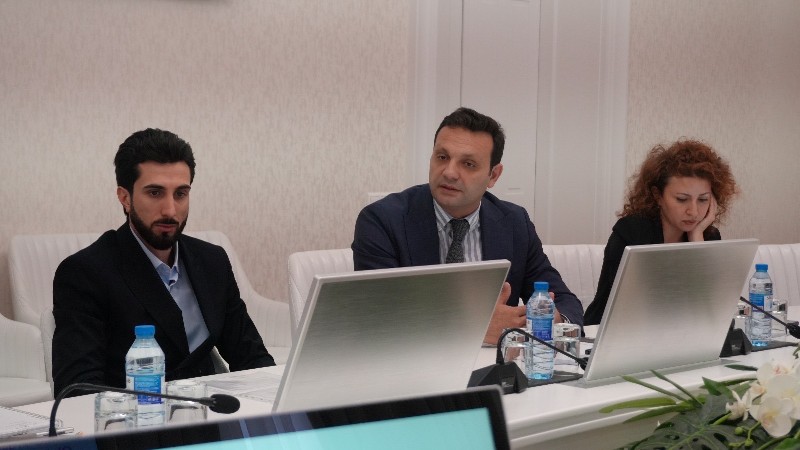
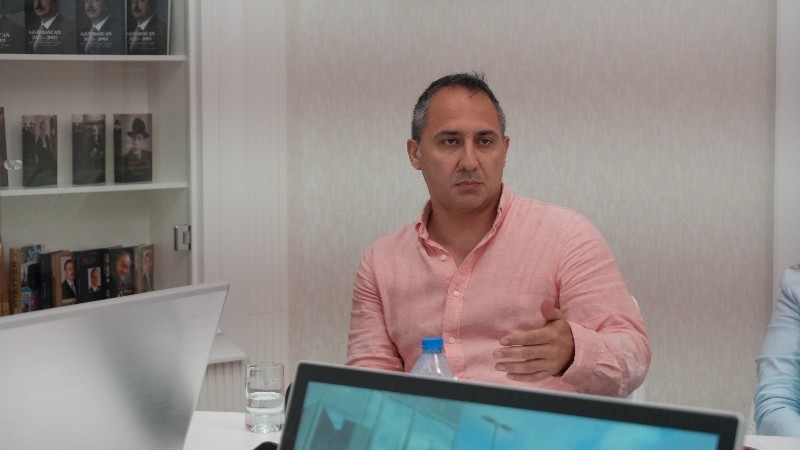
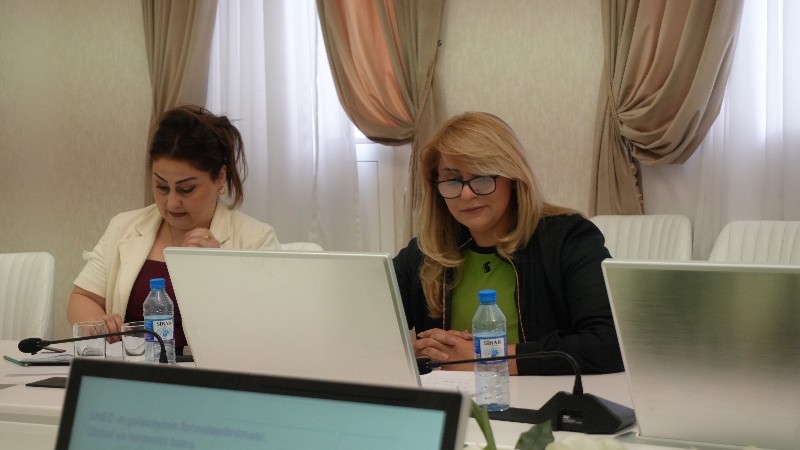
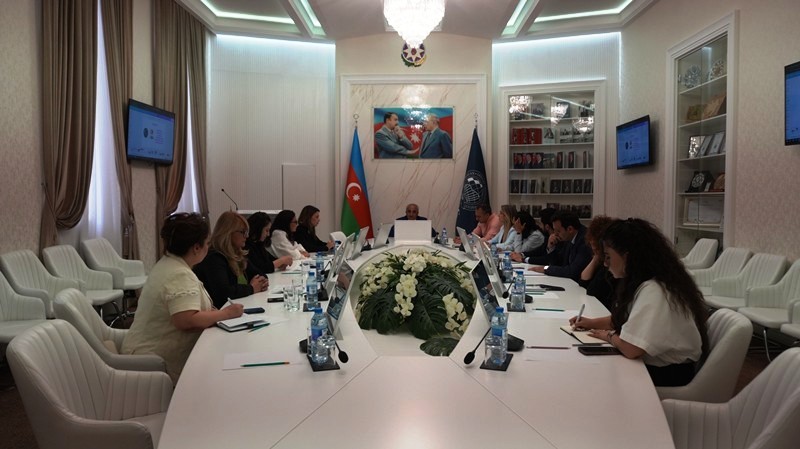
To review the overall outcomes of these programs, a high-level meeting was convened with the participation of UNEC rector, professor Adalat Muradov, the rector’s advisor on educational innovations, Mr. Danny Freifield (Israel), as well as the academic staff who attended the trainings.
In his opening remarks, professor Muradov underscored the imperative for higher education institutions to adopt innovative pedagogical models in order to remain responsive to the rapidly evolving demands of the global academic landscape. He further emphasized that the modernization of the UNEC Learning Management System (LMS), coupled with the integration of Problem-Based Learning (PBL) and Flipped Learning frameworks, will significantly enhance students’ cognitive and practical competencies while ensuring their active engagement in the learning process.
The rector then invited participants to share insights gained during the training programs, which focused on the application of PBL and Flipped Learning methodologies, interactive instructional technologies, digital learning ecosystems, and advanced assessment mechanisms.
Delivering a comprehensive presentation on the outcomes, Sanubar Safiyeva, Methodological Coordinator for the implementation of PBL and Flipped Learning, highlighted key priorities including: the optimization of UNEC’s LMS platform, the integration of artificial intelligence tools into teaching and learning, effective communication of upcoming innovations to both faculty and students, deepening partnerships with industry and society, and introducing transformative assessment formats that reflect real-world competencies.
Faculty participants also shared reflections on their newly acquired expertise, stressing that the adoption of these practices at UNEC will constitute a major step toward enhancing the university’s academic excellence and teaching quality. Discussions underscored that the systematic implementation of PBL and Flipped Learning will foster deeper subject-matter mastery, strengthen practical skill development, and cultivate a more collaborative and interactive learning culture between students and instructors.