The IV International Forum on Artificial Intelligence and Foreign Language Teaching Held at UNEC
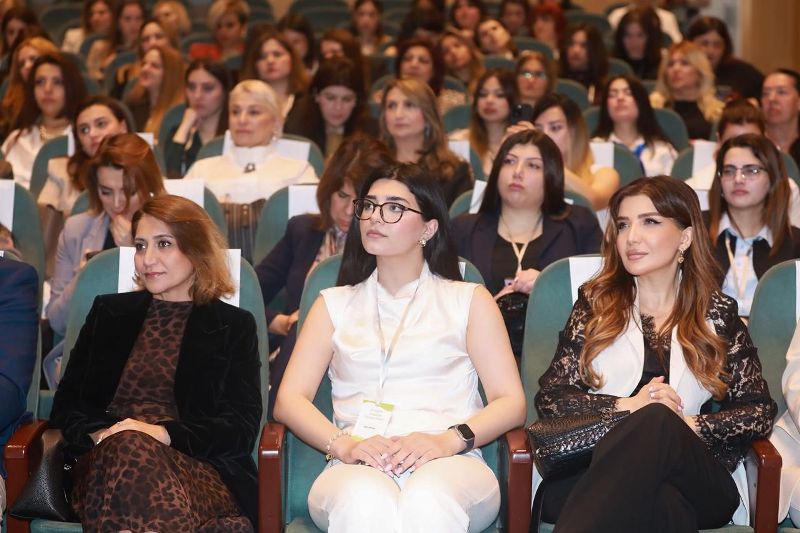
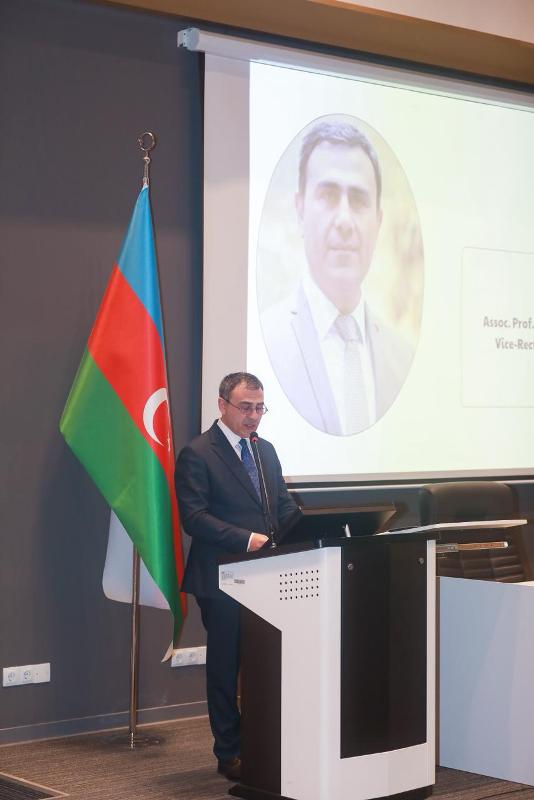
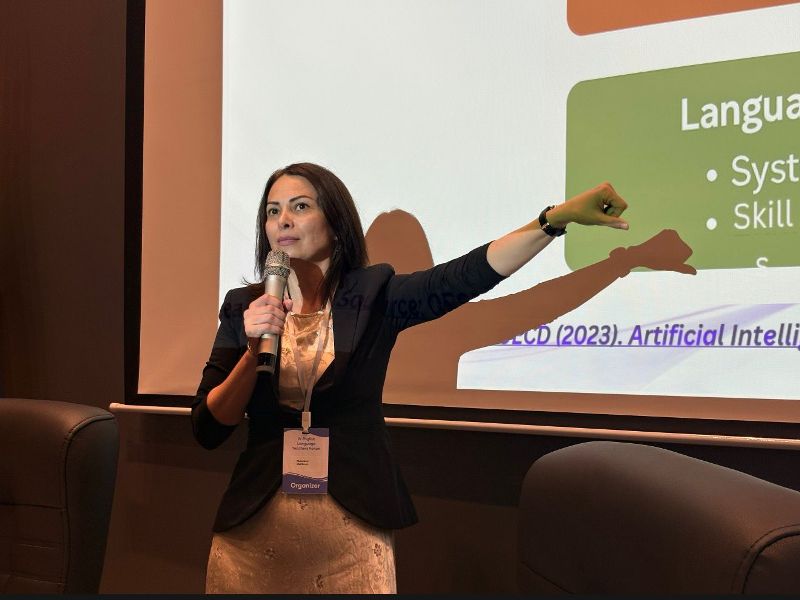
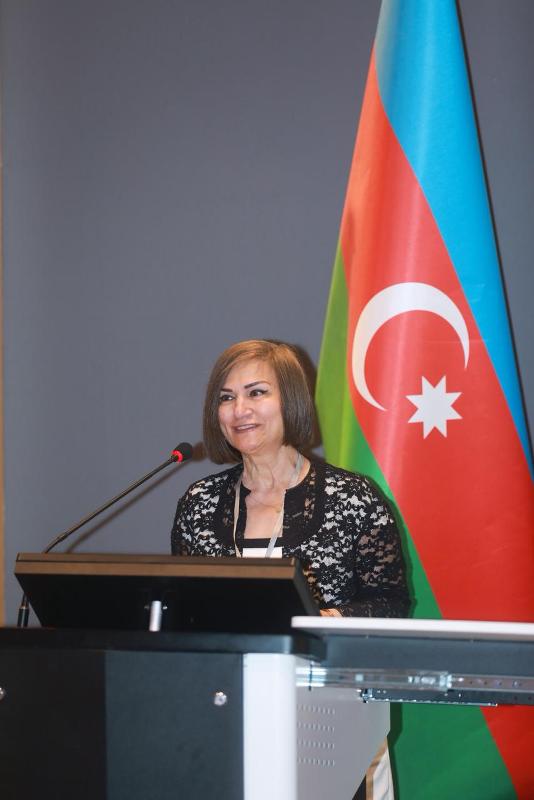

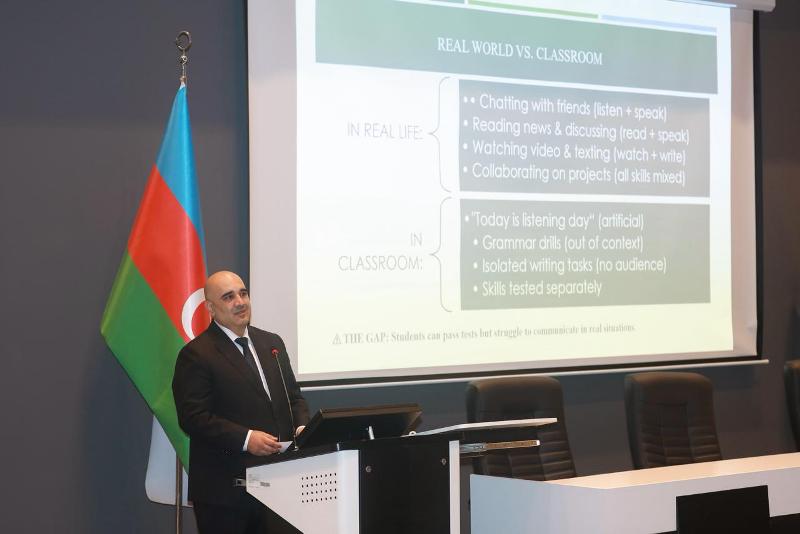
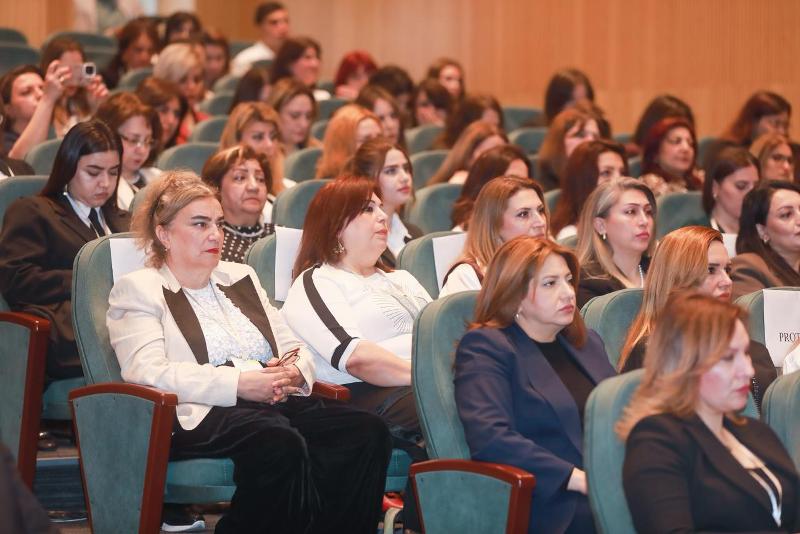
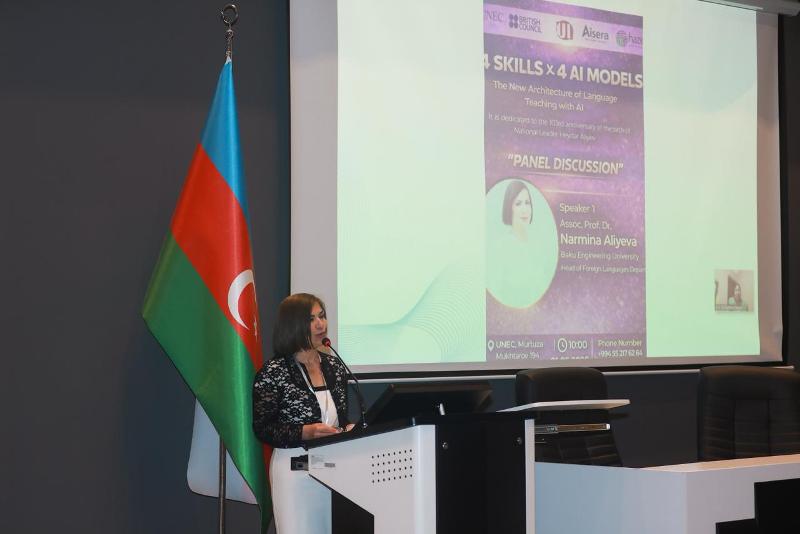
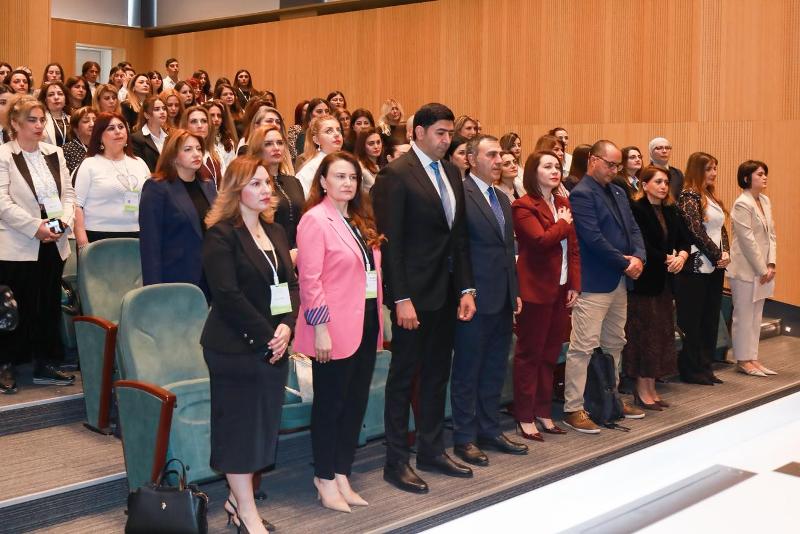
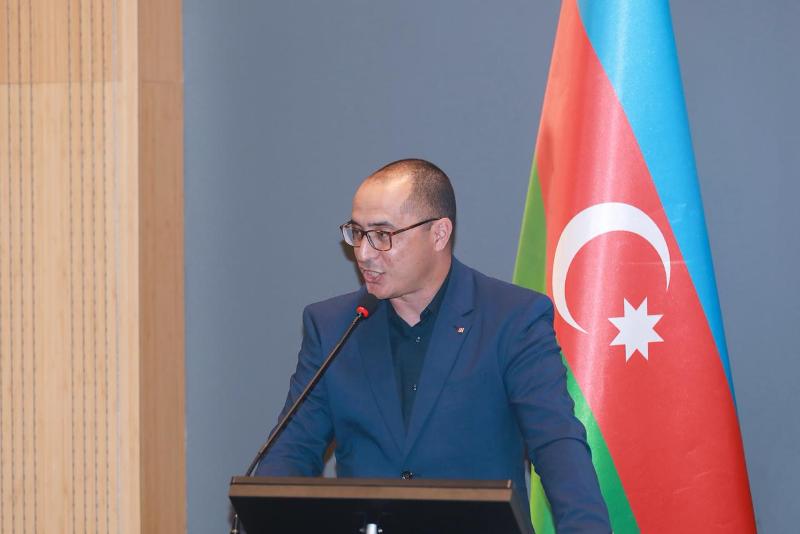
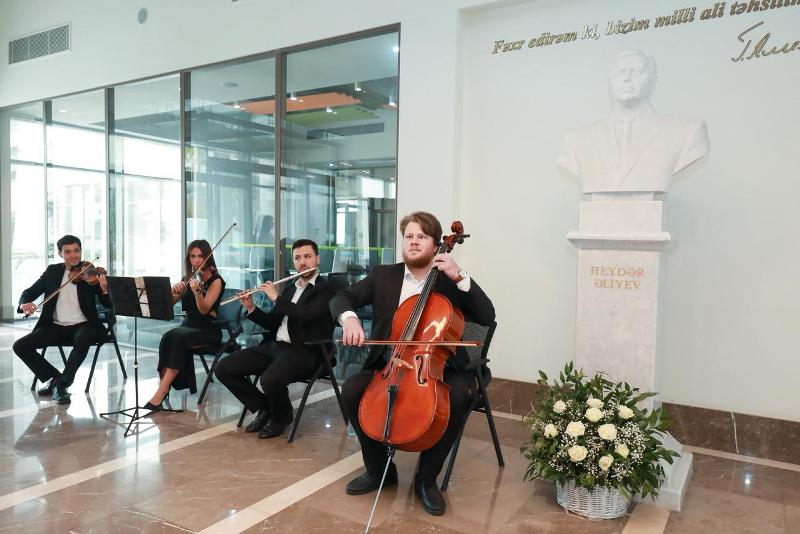
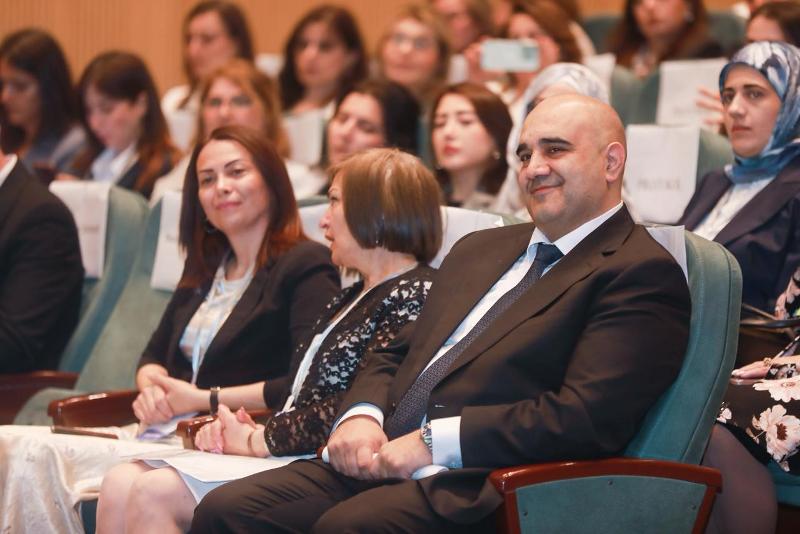
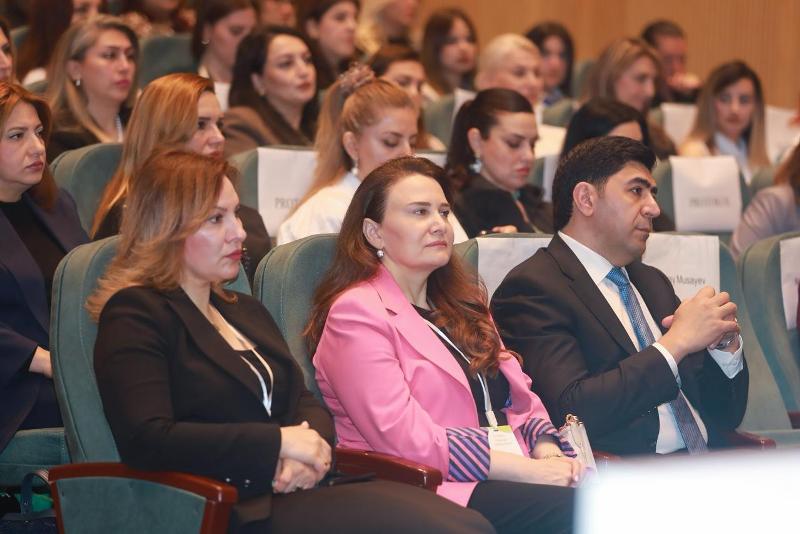
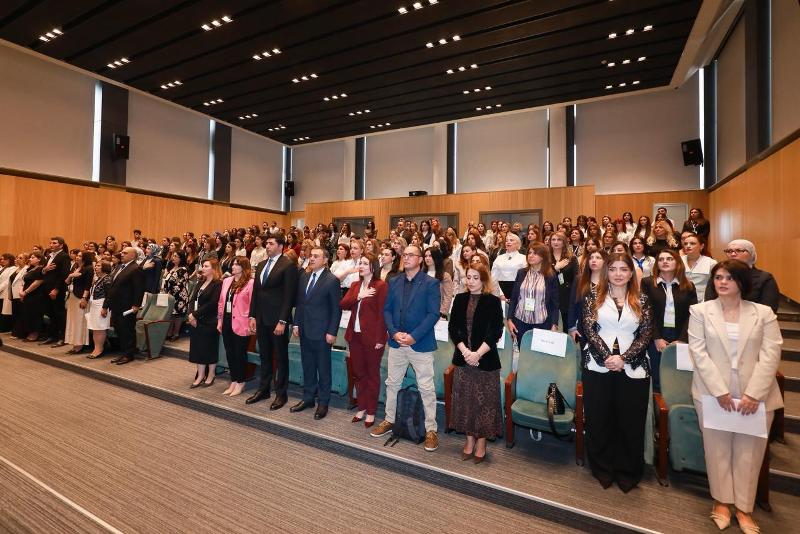
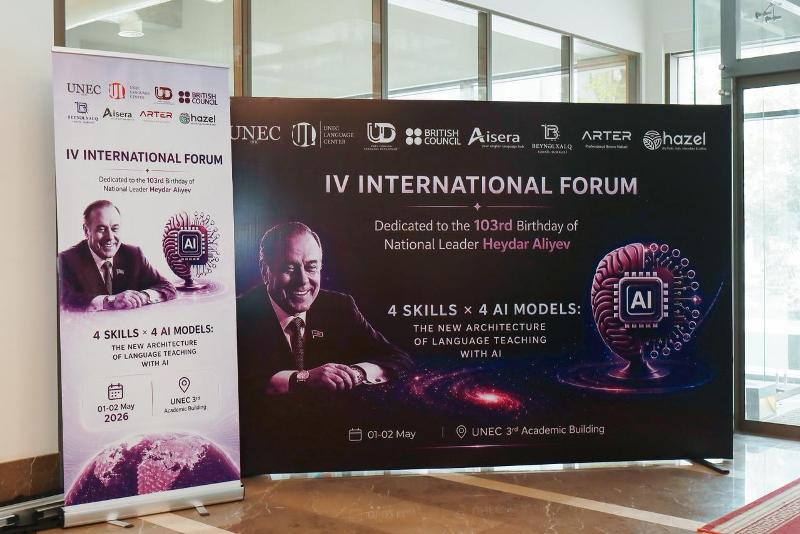
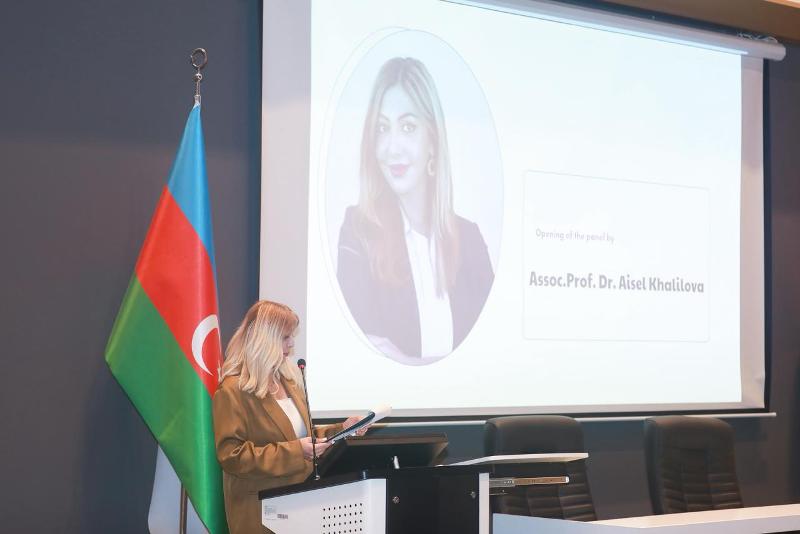
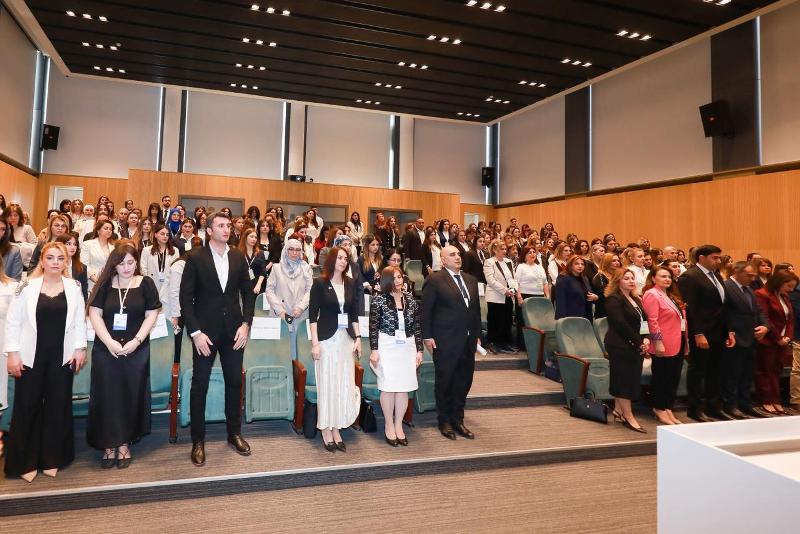
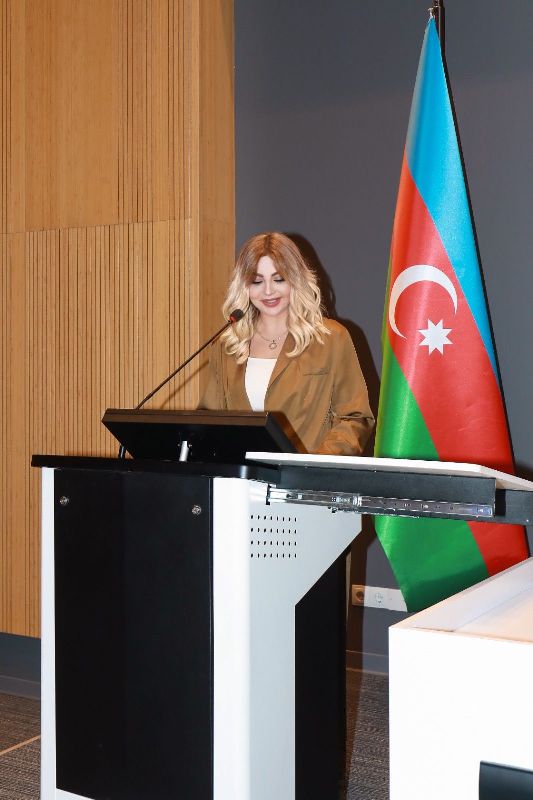
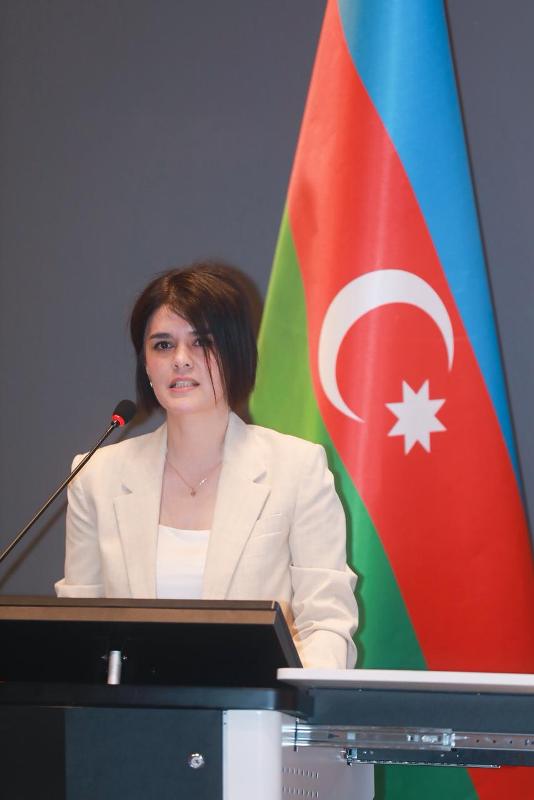
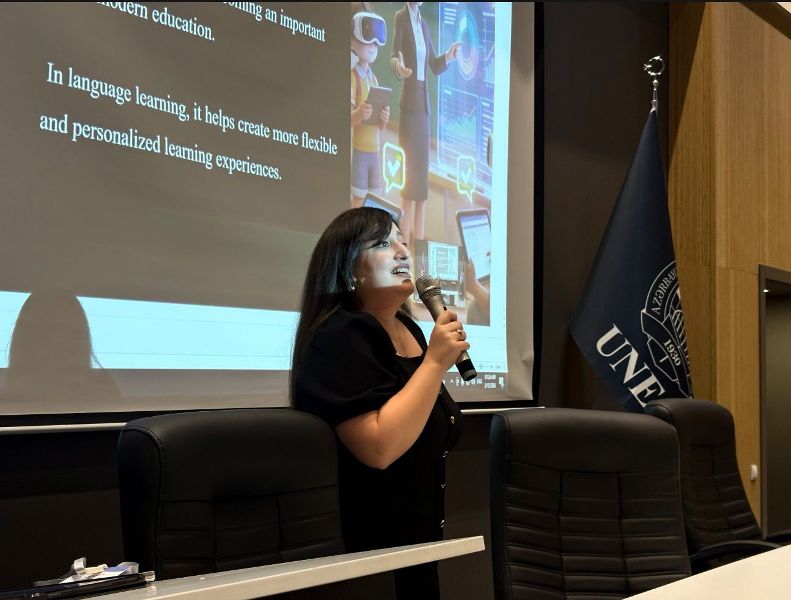
The Azerbaijan State University of Economics hosted the traditional IV International Forum titled “4 Skills – 4 Models: A New Architecture of Language Teaching with Artificial Intelligence”, organized with the support of the British Council and dedicated to the 103rd anniversary of the birth of Heydar Aliyev.
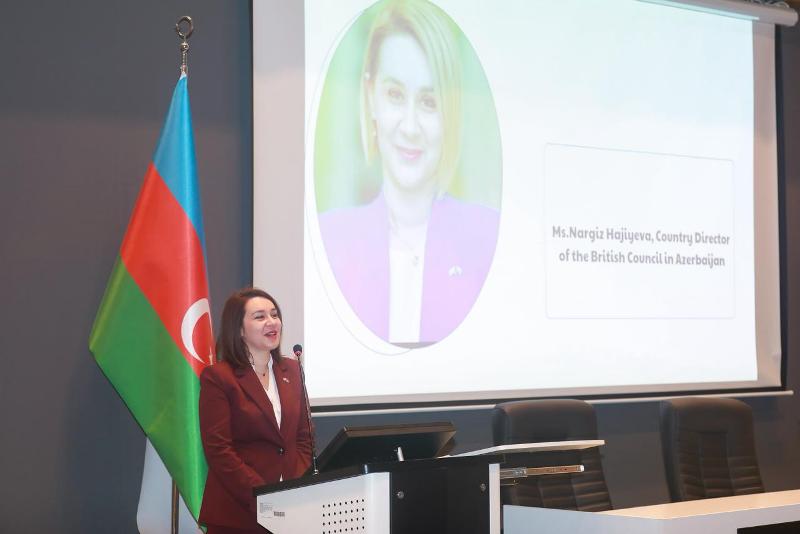
During the opening ceremony, UNEC Vice-Rector for Academic Affairs, Associate Professor Geray Musayev, and the Country Director of the British Council, Nargiz Hajiyeva, delivered remarks emphasizing the significance of the forum. Subsequent panel sessions featured local and international experts who shared insights on the integration of artificial intelligence into language teaching, teachers’ professional development, and future curriculum models.
The forum extensively addressed the opportunities created by artificial intelligence in foreign language education, contemporary approaches, and international best practices.
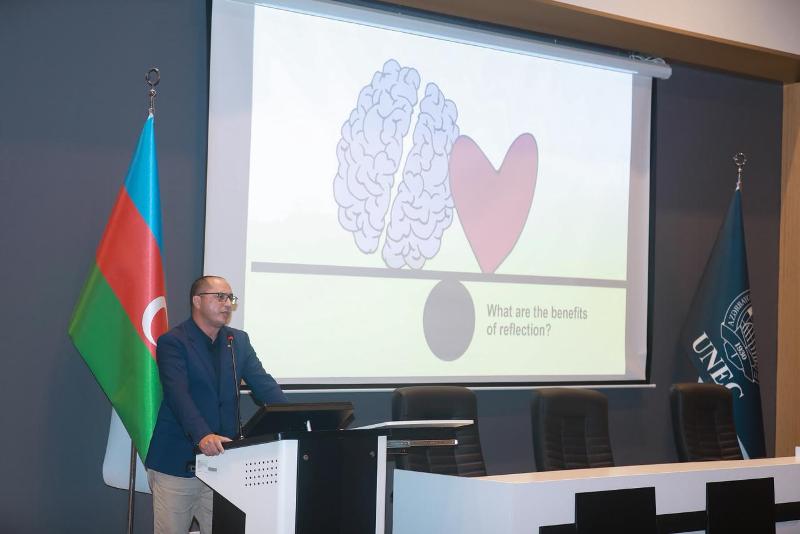
During the panel discussions, Professor Daniel Herry from the Center for Academic Literacy and English Communication Skills (CALECS), along with other speakers, delivered presentations on the impact of artificial intelligence on the teaching process, the future of language curricula, and the role of technology in teaching practices.
It was highlighted that UNEC has already moved away from traditional approaches to foreign language instruction by placing four core skills
– reading, listening, writing, and speaking – at the center of the teaching process. This approach aims to enhance students’ real communicative competencies and prepare them as competitive specialists for the labor market.
Within the framework of ongoing reforms, the university has restructured its foreign language teaching and assessment system. According to the new model, students are systematically assessed in each of the four skills over four semesters, with achieving at least a B1 level set as the primary objective.
It was also announced that, starting from 2024, the knowledge and skills of students admitted to UNEC will be evaluated at the end of their second year through international examinations. In this context, English language assessment will be conducted through the Aptis administered by the British Council, while other languages will be assessed through relevant international certification bodies.
Furthermore, the forum emphasized plans to transition to a new phase in integrating artificial intelligence into language teaching. This approach is expected to expand out-of-class learning opportunities, provide personalized tasks, and enable real-time monitoring of student progress. At the same time, it will introduce more effective management and monitoring tools for teachers, ensuring that the assessment process becomes more flexible, transparent, and objective.
Participants noted that the application of artificial intelligence in language teaching personalizes the learning process, optimizes teachers’ workload, and increases student motivation.
On the second day of the forum, a total of 20 training sessions were conducted by trainers from the British Council and UNEC. These sessions presented practical applications of artificial intelligence in language teaching, strategies for developing writing and speaking skills, and examples of using innovative digital tools.